• Request More Info
  • Visit
  • Apply
  • Give
  • Request More Info
  • Visit
  • Apply
  • Give

Search

  • A-Z Index
  • Map

History

  • About
    • Why Study History?
    • Areas of Study
    • Faculty Publications
    • The Jangle Podcast
    • Alumni Profiles
    • Contact Us
    • Give
  • People
    • Faculty
    • Teaching Faculty
    • Research Faculty
    • Associated Faculty
    • Staff
    • Graduate Students
    • Emeriti
  • Undergraduate
    • Majors / Minors
    • Declare
    • Honors Program
    • Advising
    • Classes
    • Beyond the Classroom
    • Careers
    • Scholarships & Awards
  • Graduate
    • Concentrations
    • MA Program
    • PhD Program
    • Apply
    • Funding
    • Forms
    • Graduate Handbook
  • Community Engagement
    • Local Histories
    • Summer Bridge Program
    • Bridge to AP U.S. History
    • Papers of Andrew Jackson
    • Tennesseans and War
  • News & Events
    • News
    • Events
    • Public Lecture Series
    • Newsletters
  • Share Your News

Archives

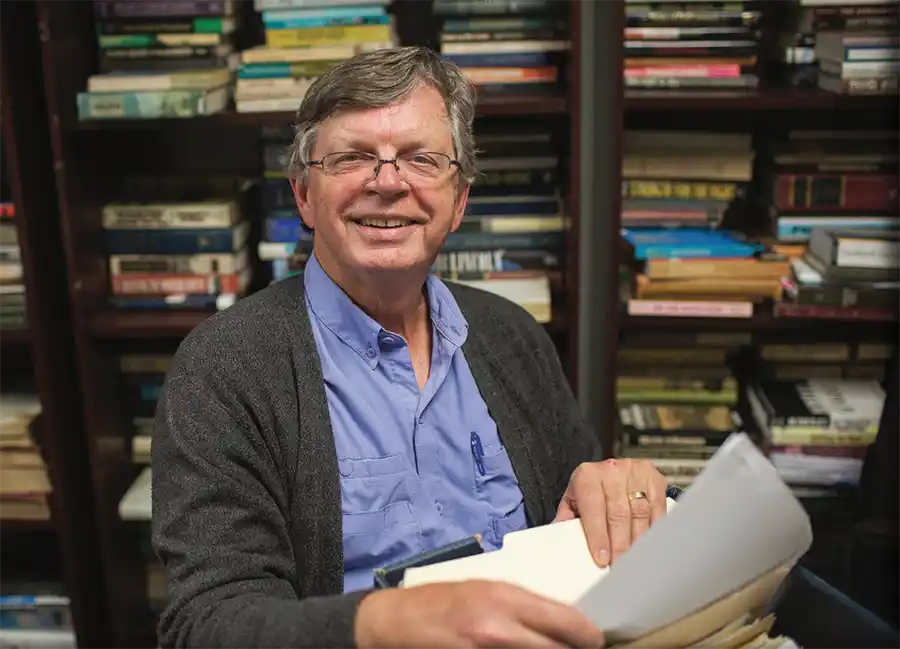
A picture of Ernie Freeberg

Summer 2020 Newsletter

June 9, 2020

Print Version PDF

Expanded Digital Version HTML

Letter from the Department Head

Embodied Education and other news from the UT Department of History
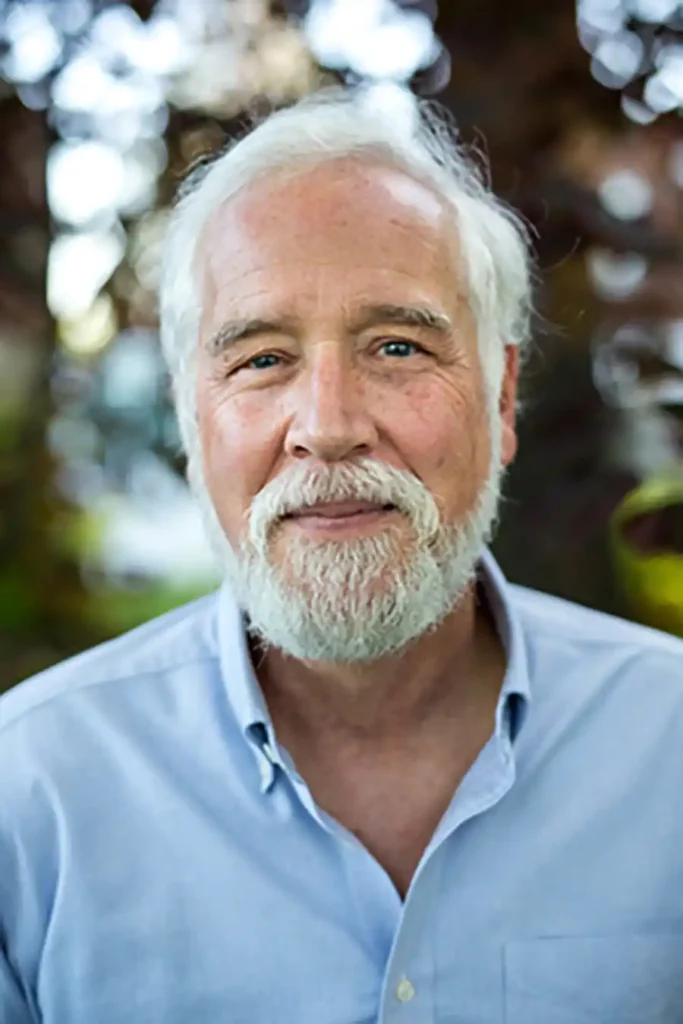
A picture of Ernie Freeberg

While spring semester 2020 ended without our usual pomp and circumstance, from a safe social distance we have reason to celebrate getting through this most challenging academic year. When the campus closed in mid-March, few of our faculty had much experience with online teaching, and perhaps fewer had any interest in moving class into the digital realm. But we did it, with much support from the university’s technology team and patience and flexibility from our students. Students learned about history, while we figured out how to stop Zoom bombers and how to upload a lecture to the cloud that hovers over us all.

Among the most valuable lessons we learned from this experience is affirmation of something we already knew—that there is no real substitute for face-to-face learning. Teaching is a full body exercise, and nothing replaces the way a talented professor can, over the course of a semester, turn a physical classroom into a community of learners. Certainly, students told us that, loud and clear, in their end of course evaluations. They want back on campus.

We want that, too, when it can be done safely. In the meantime, we can look back fondly on those days, not so long ago, when we huddled together in classrooms, so focused on sharing ideas that we never paused to worry about sharing our breath.

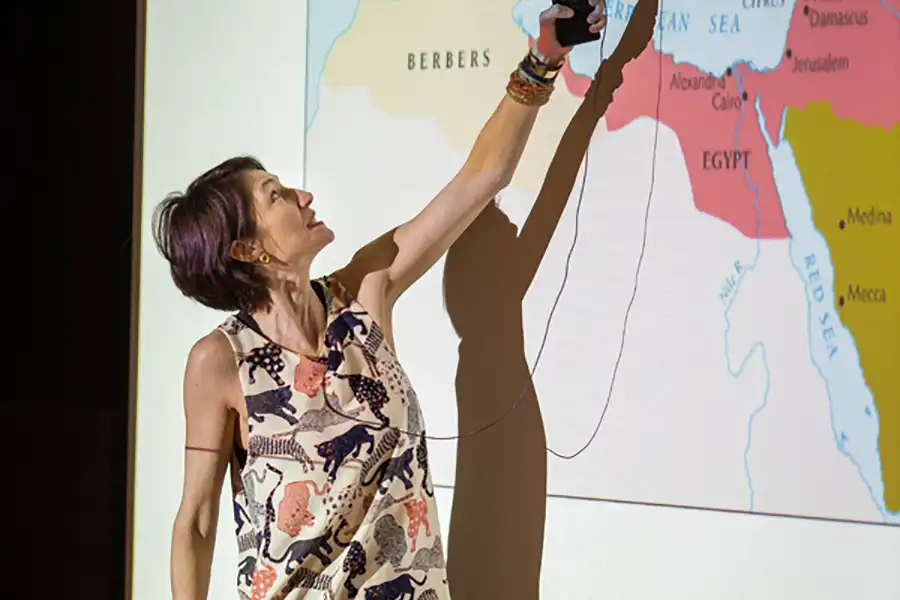
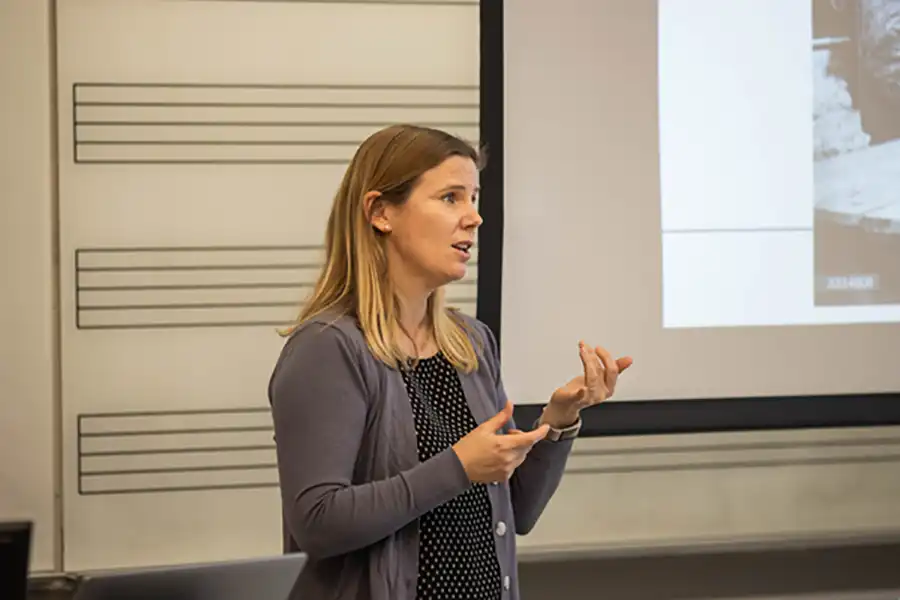
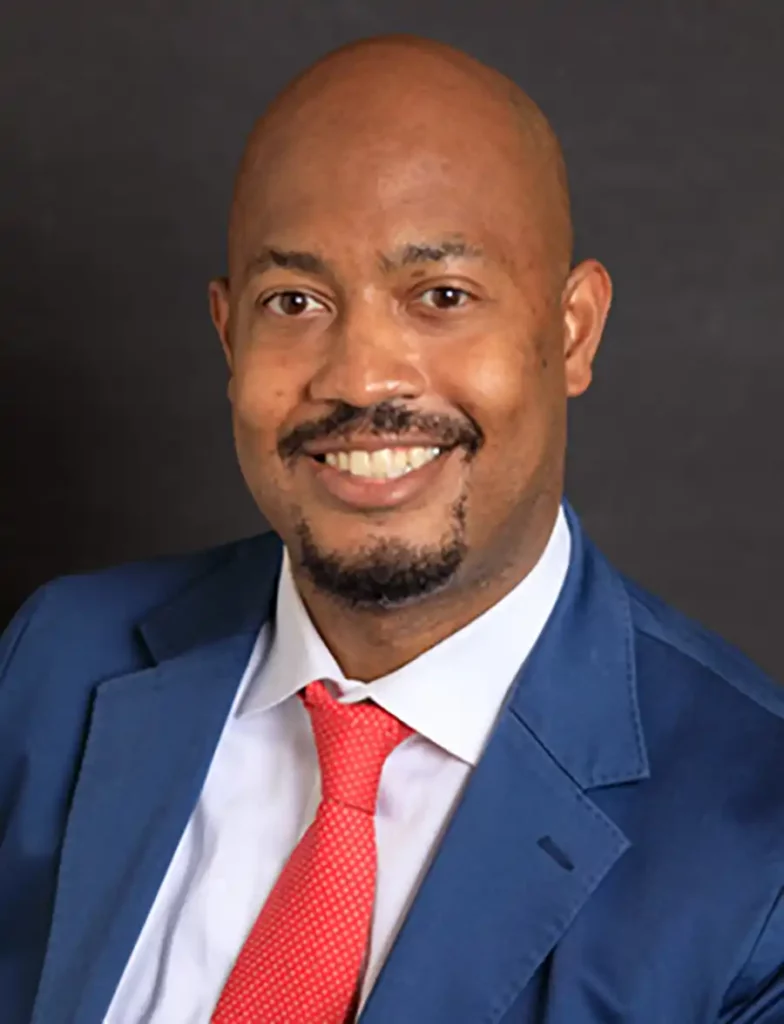
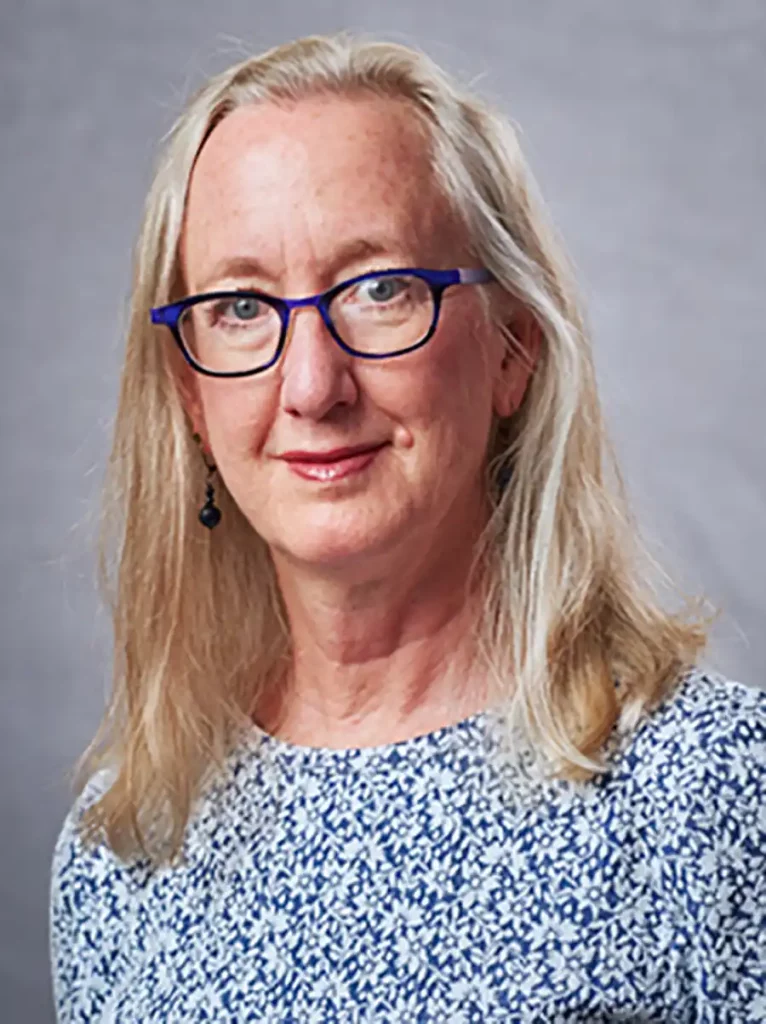
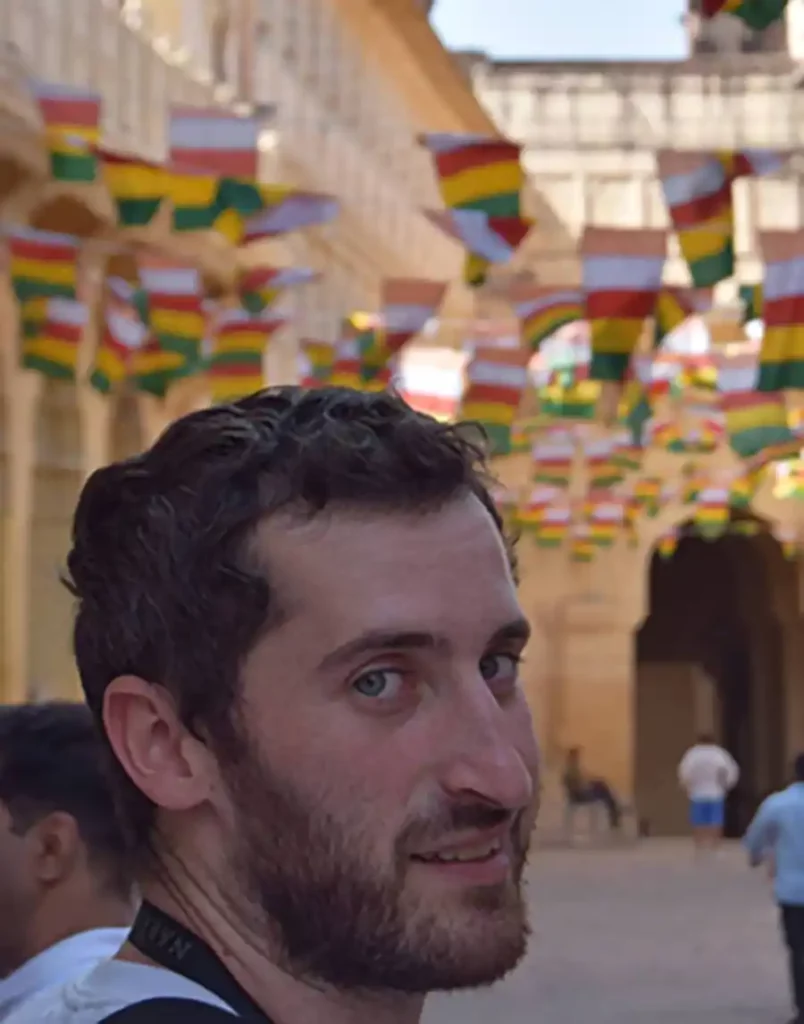
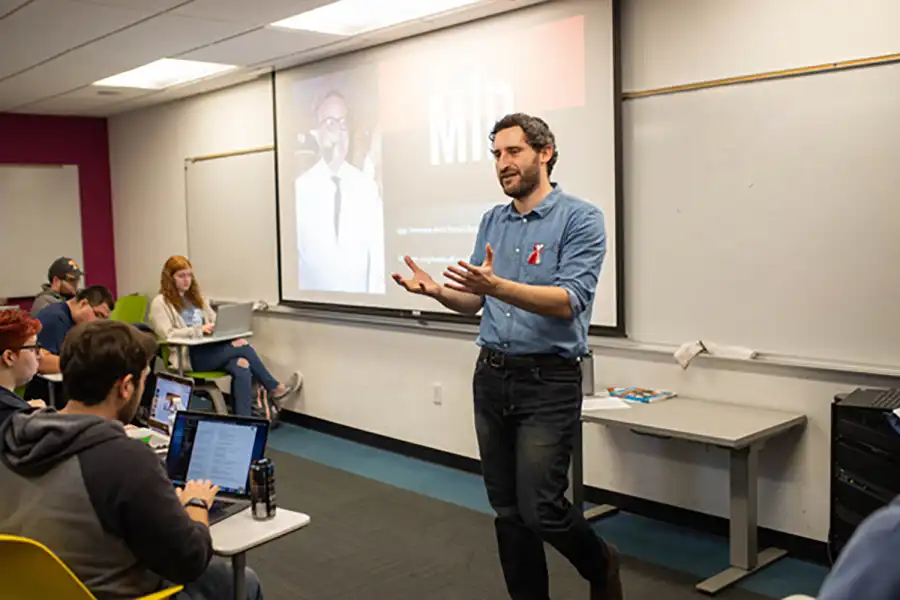
By chance, just before the shutdown we asked our favorite photographer, Kelli Guinn, to take pictures of some of our colleagues in action. I love how these images capture the value of embodied education, and the passion of teaching as a physical act. They serve as a wonderful reminder of a world we have lost, temporarily, and will not soon take for granted.

—Ernie Freeberg, Professor and Head, Department of History
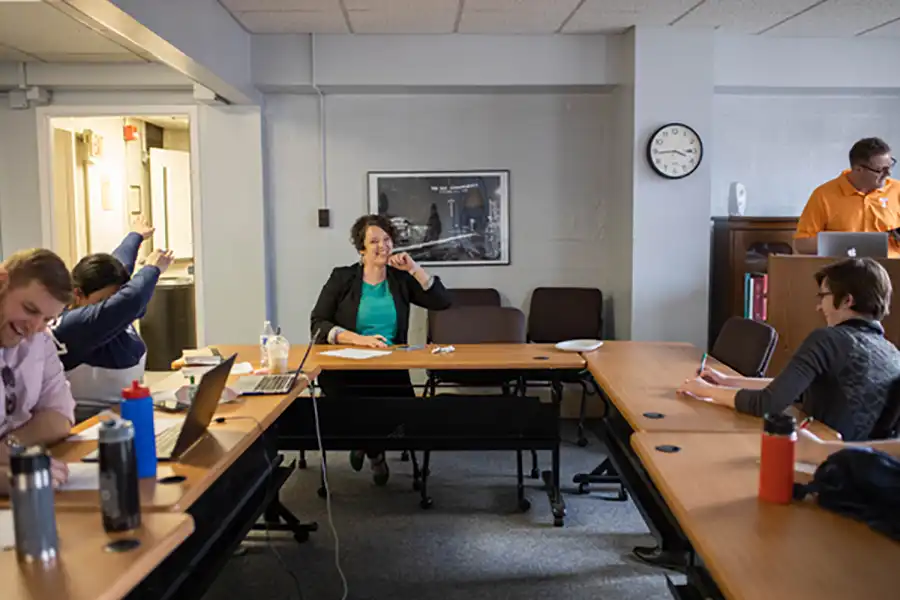
A Picture of Nikki Eggers
Nikki Eggers
A Picture of Victor Petrov
Victor Petrov
A picture of Sara Ritchey
Sara Ritchey
A picture of Margaret Anderson
Margaret Andersen

Print Version PDF

Expanded Digital Version HTML

Filed Under: Newsletter Issue

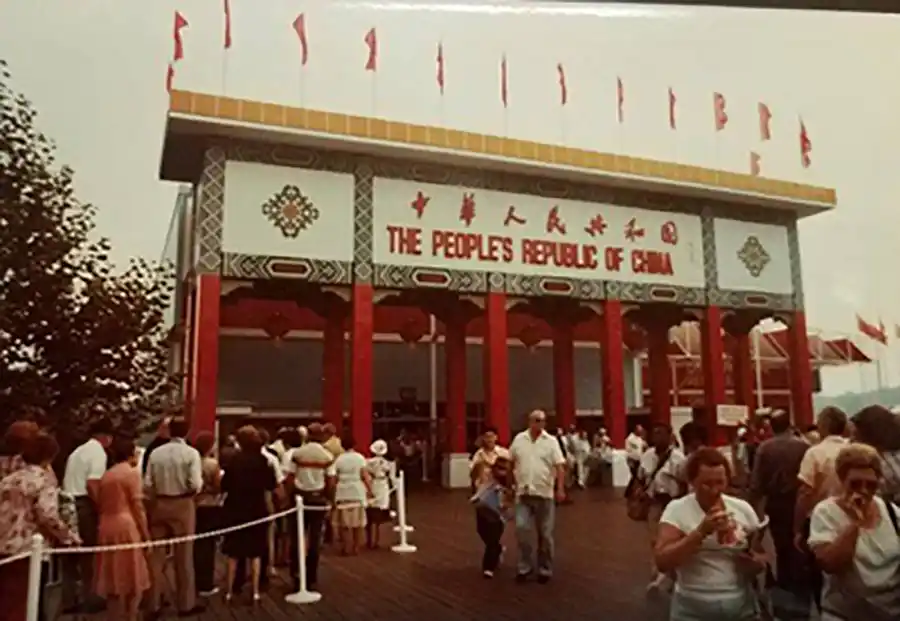
The People’s Republic of China participated in the 1982 World’s Fair held in Knoxville.

China at the Knoxville World’s Fair

November 4, 2019

The People’s Republic of China participated in the 1982 World’s Fair held in Knoxville.

The 1982 World’s Fair left a lasting impression on the Knoxville community. In fall 2018, the history department sponsored an event to commemorate the participation of the People’s Republic of China at this World’s Fair. Organized by Associate Professor Shellen Wu and hosted by the East Tennessee History Society, this event was well attended by members of the UT community and the general public. The audience learned the interesting history behind what became the most popular attraction at the fair. Invited speakers added a personal dimension to this history by reflecting on their participation and sharing their memories. 

According to Wu, China was the most popular attraction at the fair and played no small part in putting the fair in the black, even turning a profit of $57. From May 1 to October 31, 1982, 11.4 million visitors came to the fair, most of whom waited in long lines to enter the China Pavilion. Many visitors were intensely curious about China, closed for decades to foreigners. The exhibit featured a piece of the Great Wall (19 bricks to be precise), as well as a number of the recently excavated terra cotta warriors from Qin emperor’s tombs in Xi’an. Chinese artists and artisans worked in the pavilion and produced handcrafted items that were sold to visitors.

As the audience learned, the decision to bring China to Knoxville was due to the efforts of Bo Roberts, at the time president and CEO of the World’s Fair (the organization that oversaw the effort was the Knoxville International Energy Exposition Incorporated, or KIEE). Roberts talked about how he came to focus on bringing China to the World’s Fair once the Soviet Union pulled out. The Soviet Union had already begun construction on what was to be the largest pavilion and an anchor for the World’s Fair when they invaded Afghanistan in 1979. President Carter’s strong response led to the Soviet retaliation and withdrawal from the Fair. Along with the Soviet Union, a number of other Eastern European countries also pulled out. With the loss of the anchor pavilion, it became essential for the success of the Fair to attract Chinese participation.

Roberts, along with other colleagues, made multiple trips to China and met with officials to convince them to sign on. At the time, China had no experience with the World’s Fair. One of the audience members who worked for the Fair accompanied a Chinese delegation to visit previous sites at Seattle and San Francisco. KIEE contacted politicians, including Senator Baker and former President Carter, who each wrote letters to the Chinese ambassador and top Chinese leaders to press the case. KIEE also put up $1 million to help with costs for the Chinese pavilion. Or as Roberts put it, “the best money we ever spent.”

During the event, attendees also had the opportunity to hear from local members of the Knoxville community who likewise shared their memories of this historic event. For instance, Knoxville History Project Director Jack Neely had worked at the Fair as a part of the security detail. He talked about his experience at the Fair, corralling the crowd and having to inform an extremely disappointed crowd that because of some building issues, the China Pavilion had to be closed for a day. Jack Neely read a short selection from the work of a Chinese journalist who spent two years in the US in the early 1980s and spent some time in Knoxville at the Fair. The journalist, Liu Zongren, subsequently published a memoir of his time in the US, Two Years in the Melting Pot. Liu wrote that “The Chinese Pavilion was the best part of the whole fair; many visitors had to wait outside the gate for two hours to get in….For all the Chinese staff, except the delegation head, it was their first time abroad.”

Filed Under: News

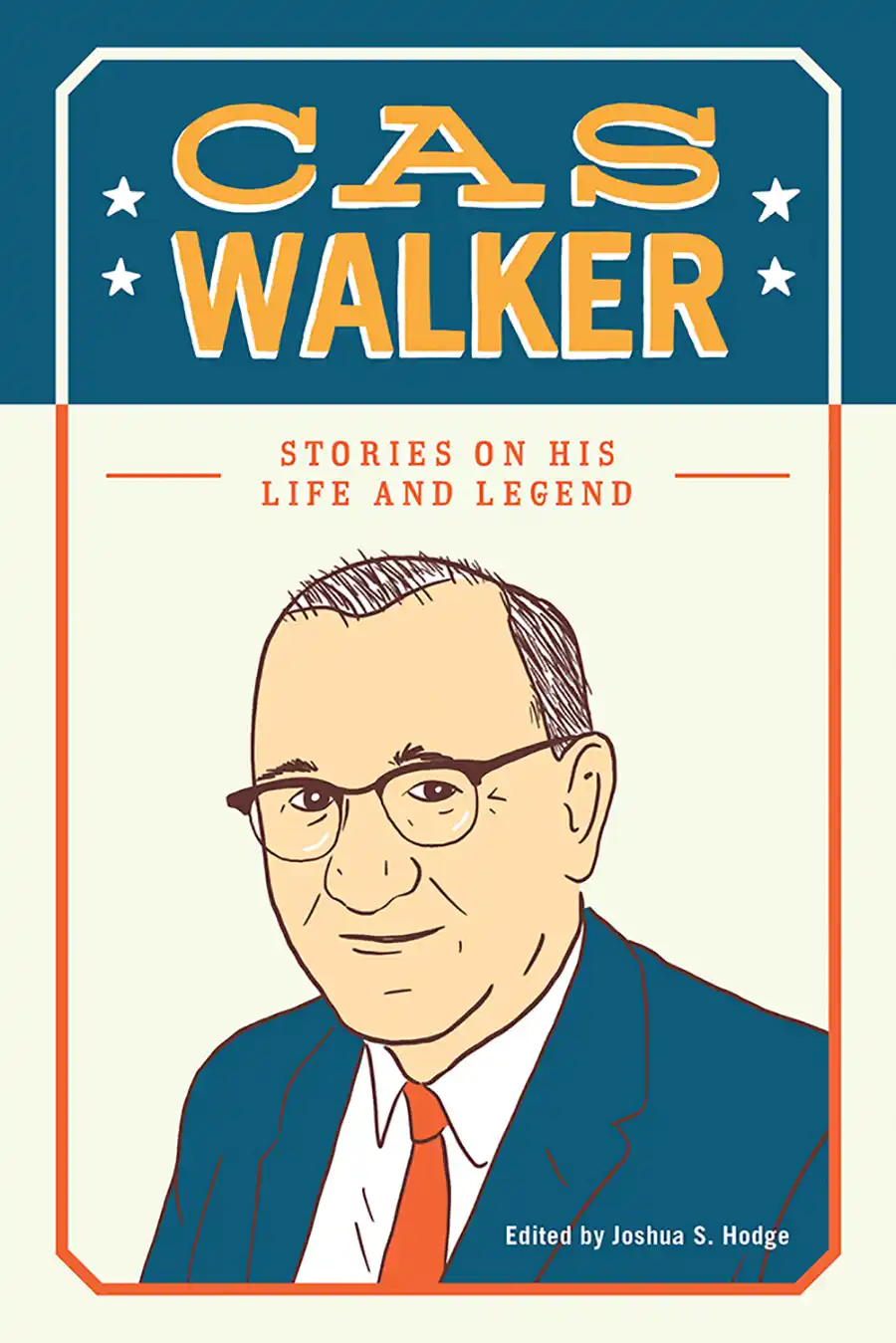
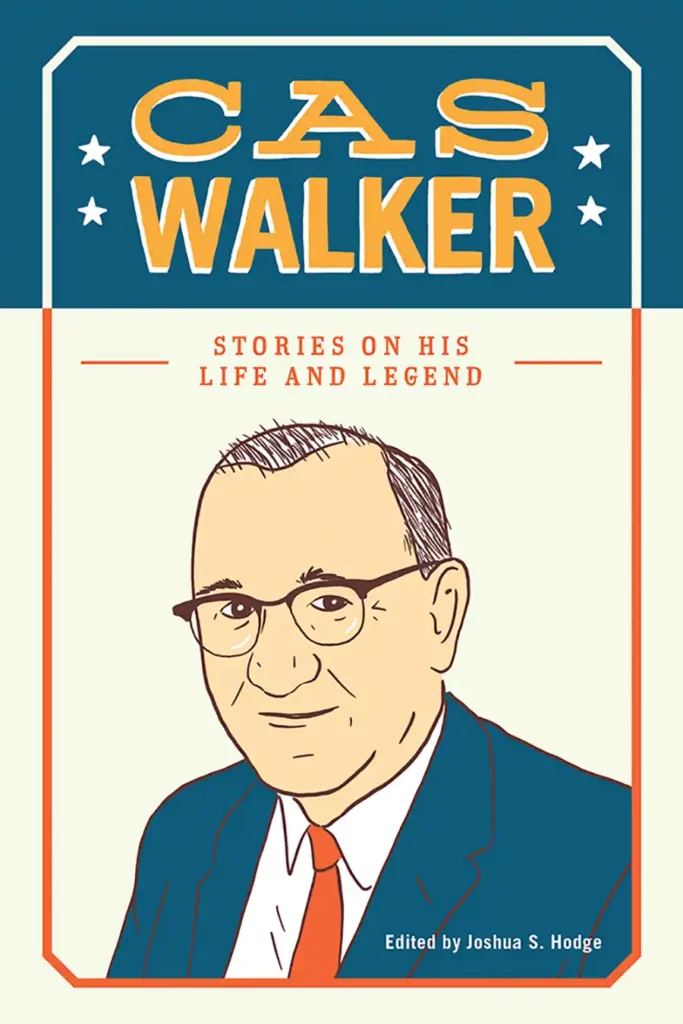
A photo of the cover of the book Cas Walker: Stories on his Life and Legend, Edited by Joshua S. Hodge

Sharing the Stories of Cas Walker

November 4, 2019

A photo of the cover of the book Cas Walker: Stories on his Life and Legend, Edited by Joshua S. Hodge

In 1924, Cas Walker arrived in Knoxville. He is one of 20th-century Knoxville’s most famous citizens and his colorful life became some of the city’s favorite urban legends, which are captured in a new book, Cas Walker: Stories on his Life and Legend, edited by Joshua Hodge, a graduate student in the UT Department of History who lost his two-year battle with brain cancer May 2019.

“I can’t think of another city I’ve lived in that has a person like Cas in its collective memory,” said Ernie Freeberg, professor and head of the history department. “Those stories, many shared in endless variation, serve as a window on Knoxville in the 20th century. He was so ubiquitous in Knoxville from the 30s through the 80s, and many who lived here feel an obvious nostalgia about his place in their lives. Others remember him as a barrier to the city’s progress, and a master of a form of politics that Knoxville is better off without.”

Members of the UT community gathered in Hodges Library November 5 to view rare film footage from Cas Walker’s television programs. Louisa Trott, assistant professor in the UT libraries and co-founder of Tennessee Archive of Moving Image and Sound (TAMIS), helped discover and restore the collection of clips for the public. The event also paid tribute to Hodge’s memory and legacy.

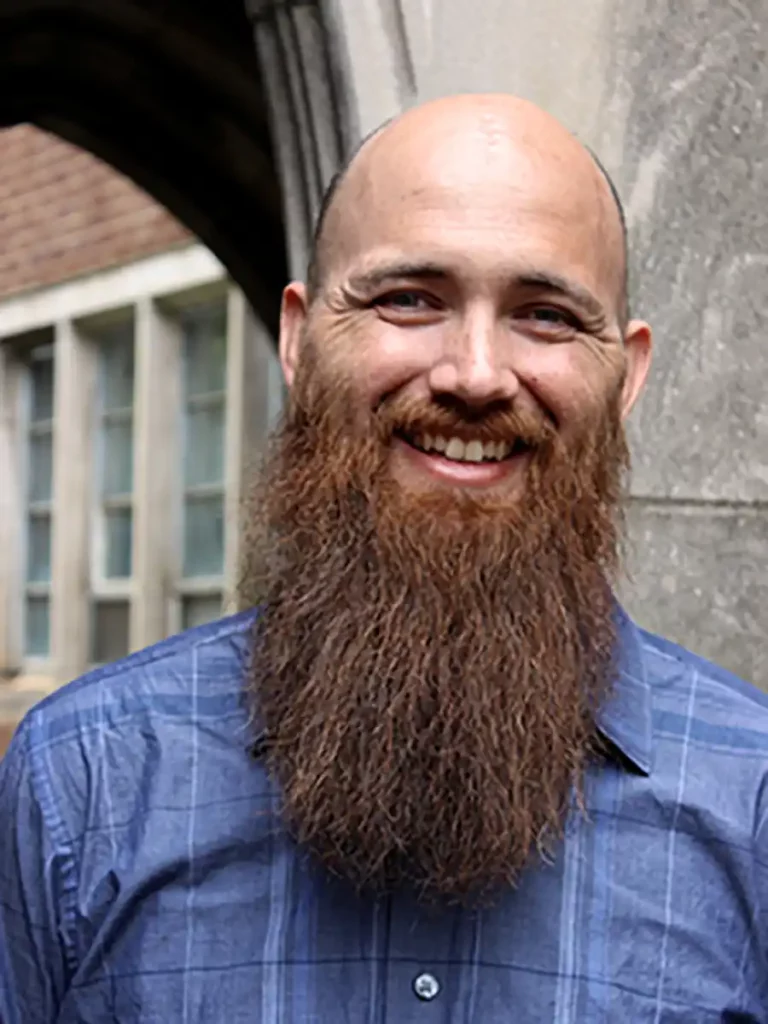
A picture of Joshua S. Hodge
Joshua S. Hodge, editor of Cas Walker

During his time at UT, Hodge focused his research on revealing the history of people whose lived experiences are often hard to recover. He recognized that the historical record favored those who were able to write it – not necessarily those who live it. His work eventually led him to gathering stories of Cas Walker and recording the oral histories of those who knew the man behind the legend.

“Josh did a masterful job on this project, tracking down 20 people who knew Walker well, and gathering stories that reflect many different angles on the man’s long career in Knoxville,” Freeberg said. “Cas is beloved by many, while others remember him as a negative force in the city’s development. Josh captured that complexity, and gathered the legends that reflect Walker’s role as a grocery tycoon, a coon hunter, a populist politician and editor, and as a music promoter.”

In addition to the collection of Cas Walker stories, Hodge’s memory will live on in an endowment established in his honor. The Joshua S. Hodge Award will recognize the task graduate students in the UT Department of History undertake when they decide to research and recover lost voices. Hodge’s research highlighted his commitment to ensuring that everyone’s voice is heard.

Established by Freeberg and Max Matherne, a fellow doctoral student, the endowment preserves the memory of a young, committed UT scholar who, despite the fact that his life was cut short, was dedicated to research and history while helping future scholars reach their dreams.

“When Josh learned in July 2017 about his terminal diagnosis, he did not simply retire and give up on his work,” Matherne said. “He not only continued working on his dissertation, but remained active in the historical field. He continued to submit articles for review, organize conference panels, and participate in the dissertation writing workshop, all the while working on his dissertation and the Cas Walker project.”

Recipients of the Joshua S. Hodge Award will be announced annually during the Department of History awards ceremony. Click here to make a contribution to this endowment.

The Cas Walker Stories Project gathers the tales and legends told about one of 20th century Knoxville’s most famous citizens. The project has recorded oral histories with many who knew Cas Walker, as friends, employees, and political rivals or allies, and collected others from the public.

Many of these are gathered in Cas Walker: Stories on his Life and Legend, published by UT Press. This book was edited by Joshua Hodge, a PhD student in the History Department who passed away while the book was in its final stages of completion. An endowment fund is being raised in his name, which will be used to support graduate research.

Learn More

Filed Under: News

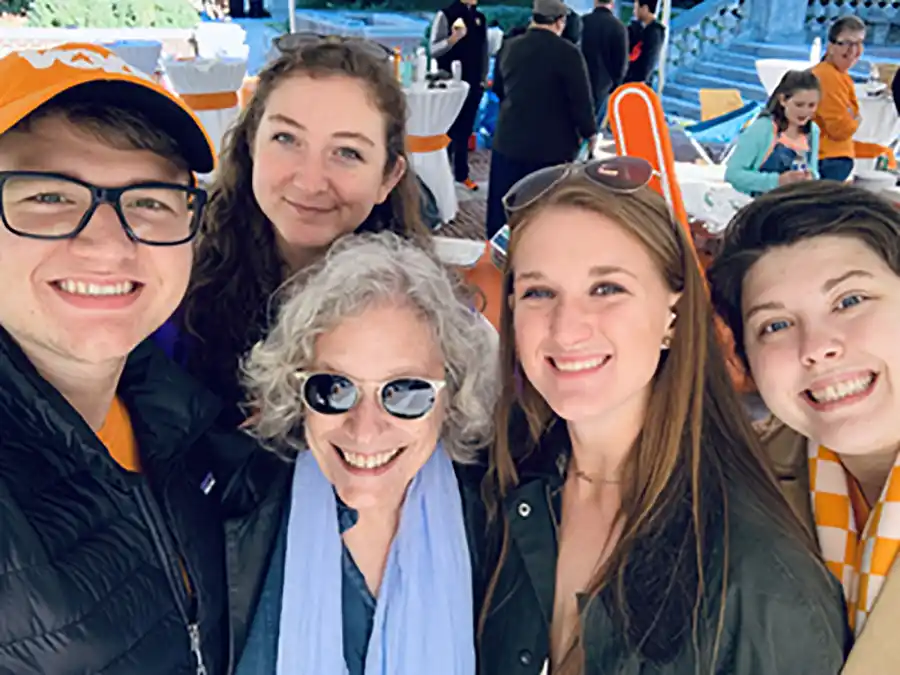
Faculty and students at the first Department of History tailgate

Historic Tailgate

September 9, 2019

Faculty and students at the first Department of History tailgate

During homecoming weekend last November, members of the history department made history when we hosted the first ever department tailgate, under a tent on the Hill. A cloudy and slightly chilly morning quickly warmed to perfect fall homecoming weather. From noon to the start of the game, alumni, current students, and faculty mingled while decked out in orange gear. Dean Lee and Provost Manderschied both stopped by. Faculty and graduate students’ kids took over the lawn. Several hundred hot dogs were eaten. Gallons of apple cider were drunk. History department goodies were handed out. A good time was had by all.

And we did it again. This time, we convened in front of the stately walls of old Dunford Hall, several hours before game time Saturday, November 2. We enjoyed snacks, games, and our guests tried their hand at UT history trivia.

Filed Under: News

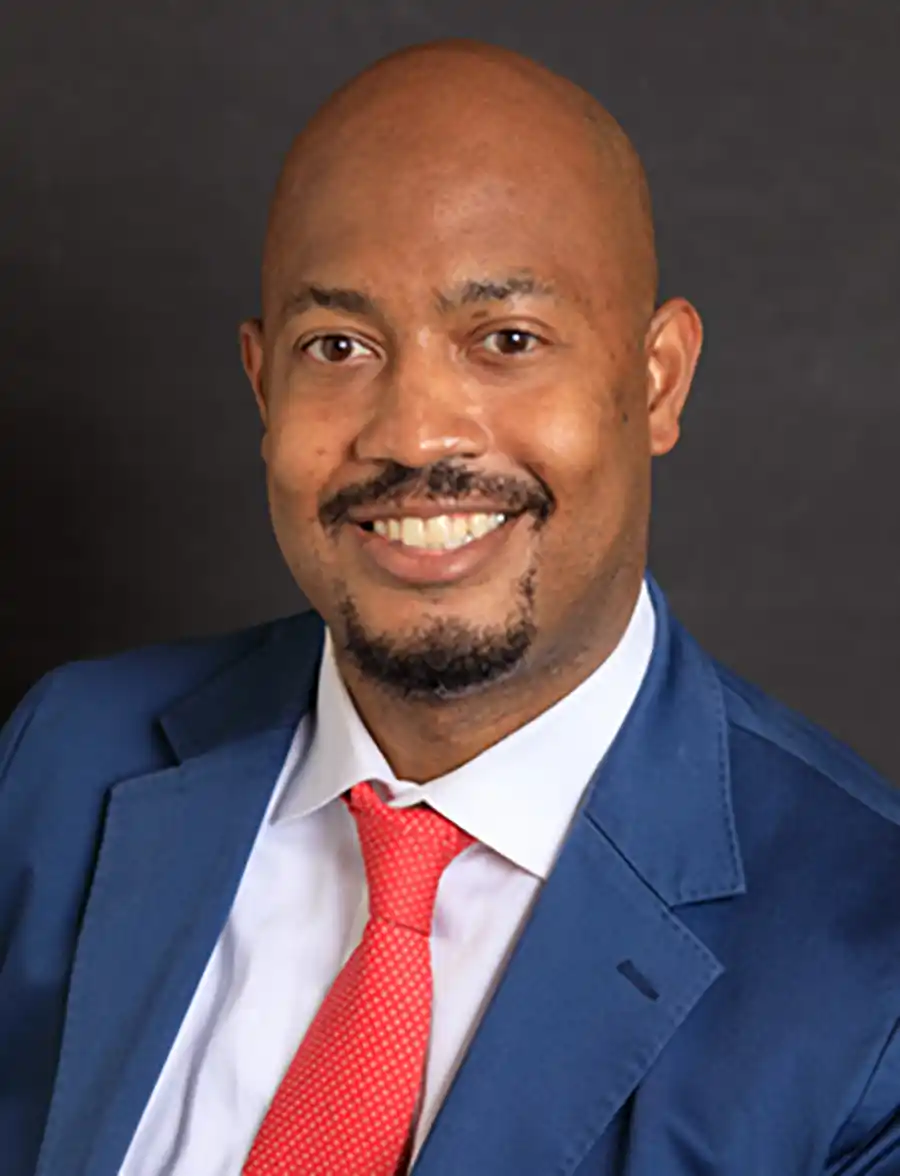
Headshot of Robert Bland in the Student Union on August 05, 2019. Photo by Steven Bridges/University of Tennessee

Welcoming New Faculty

September 9, 2019

Robert Bland

Headshot of Robert Bland in the Student Union on August 05, 2019. Photo by Steven Bridges/University of Tennessee

Robert Bland joins the UT Department of History as an assistant professor after having been a faculty member in history at St. John’s University in Queens. His research explores late nineteenth and early twentieth century African American life and culture. In particular, his work investigates the legacy of the Fifteenth Amendment, the racial politics of disaster relief, and the intellectual history of the Gullah-Geechee.

His upcoming book project, ‘Requiem for Reconstruction’: The South Carolina Lowcountry and the Afterlife of Radical Republicanism, follows a group of politicians, writers, educators, and intellectuals, both academic and vernacular, who sought to use the history of Reconstruction to defend black suffrage, make claims for disaster relief, establish schools, and, ultimately, contest anti-black academic narratives about black progress in the postbellum South.

Bland earned his PhD from the University of Maryland in 2017. When not in the archives, he enjoys playing pick-up basketball, travelling inordinately long distances to hear rappers from the nineties, and trying street food in different cities. 

Susan Lawrence

Picture of Susan Lawrence
Susan Lawrence

Susan Lawrence joined the department last year as a full professor. She comes to us from The Ohio State University. She received her PhD in the history of medicine from the University of Toronto, Canada, after majoring in mathematics at Pomona College. She made the move with her husband, David Manderscheid, the new Provost at UT.

Her research interests have ranged broadly in the history of British and American medicine. Lawrence’s first book, Charitable Knowledge: Hospital Pupils and Practitioners in Eighteenth Century London, explored the emergence of the modern medical profession in and around London’s general hospitals, as private medical lecturing and hospital ward-walking exploded in a city without an established university. After that, she worked on the history of medicine in Iowa from 1850 to 1950, Civil War medicine in Washington, DC, and the effect of privacy laws on the study of recent history. That project culminated in her book, Privacy and the Past: Research, Laws, Archives, Ethics.

Lawrence is researching and writing a book with Susan Lederer of the University of Wisconsin-Madison. Lawrence continues her fascination with the history of anatomical dissection in medical education with the history of the rise of whole-body donation in the United States. Why did some Americans—as early as the 1870s—want to give their bodies to science and education when for hundreds of years dissection had been associated with post-mortem punishment, poverty, and horror? By the 1970s, most bodies used in teaching have been donated, in remarkable acts of corporeal philanthropy.

When not teaching, researching, and writing, Lawrence loves to read mysteries, sew her own clothes, and play with their two Abyssinian cats.

Picture of Victor Petrov
Victor Petrov

Victor Petrov

Victor Petrov joins the department as an assistant professor of East European history. He received his PhD from Columbia University in 2017 and spent the year before Knoxville as a Max Weber Fellow at EUI in Florence, Italy (so he is still looking for recommendations on good local wines). His research explores the histories of the Cold War, the modern Balkans, technology and its intersection with politics, especially as it pertains to the dreaming up and failures of utopias.

His current book project, Cyberia: Bulgarian Computers & The World 1967-1989,explores the socialist world’s biggest computer industry and weaves together the stories of communists, engineers, spies, philosophers, science fiction writers, and anyone else that catches his eye. To do so, he uses both written and oral sources from three countries (Bulgaria, Russia, and India). This has sometimes involved, inadvertently, going to the archives in an Indian Army jeep, or rooting around in half-abandoned buildings, which is of course the best part of any research.

When not pursuing esoteric research, he likes playing music – badly, but with gusto – spending time in mountains, reading bad science fiction (he has, thankfully, abandoned any dreams of writing it), and finding the time to explore new places.

Filed Under: News

A picture of Ernie Freeberg

Educating Citizens of Our State

March 9, 2019

A picture of Ernie Freeberg

I am pleased to send you this fall semester update on the UT history department. We welcome three exciting new colleagues, celebrate books published, and announce another impressive slate of fellowships and awards for our outstanding faculty and graduate students.

We also mark a major milestone for the department, completion of the papers of James K. Polk, an editorial project that is completing its final volume, a major contribution to our understanding of American history that has been six decades in the making.

Our thanks to those alumni and friends who have continued their generous support for the department. Your donations help a dynamic and accomplished faculty in its mission to produce ground-breaking research, to train a new generation of professional historians, and to extend the benefits of an excellent liberal arts education to more citizens of the state.

—Ernie Freeberg, Professor and Head, Department of History
Filed Under: News

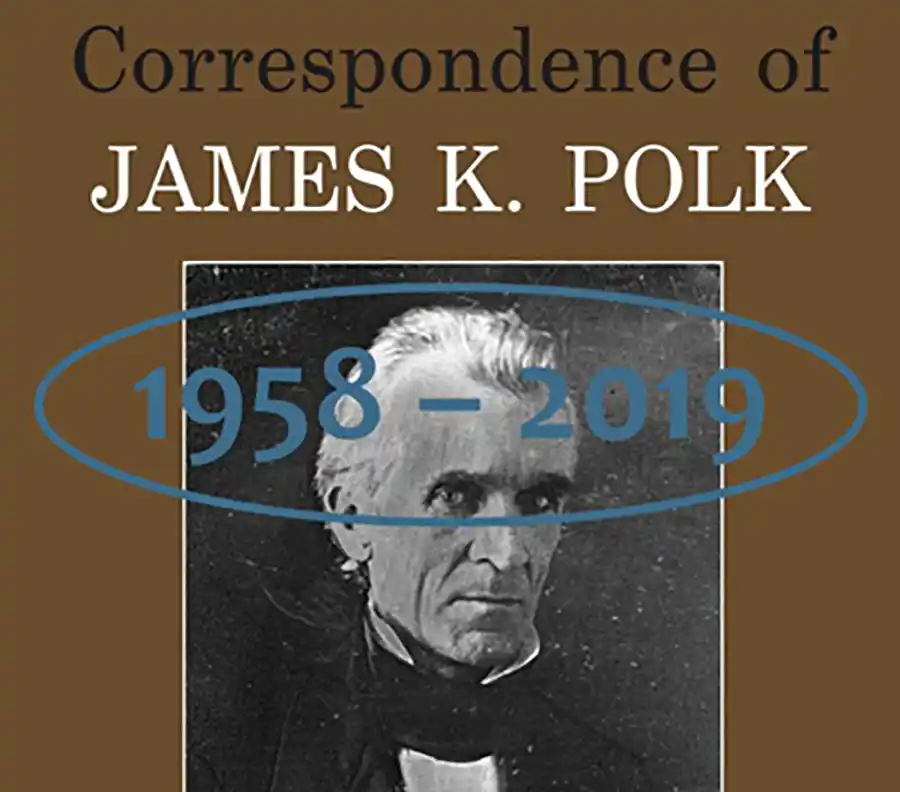
Correspondence of James K. Polk book jacket

Spring 2019 Newsletter

March 9, 2019

Print Version PDF

Expanded Digital Version HTML

Letter from the Department Head

Department Completes James K. Polk Project

Correspondence of James K. Polk book jacket

Few individuals have impacted the history of North America as visibly as James K. Polk. As president (1845–49), this Tennessean oversaw the Mexican War and the US acquisition of California and the Southwest. His letters comprise a crucial collection of primary sources. For more than a century, using them required travel to numerous archives and scrutiny of barely legible handwriting. In 1958, Herbert Weaver began a project at Vanderbilt to locate and publish the letters. In 1987, the Polk Project moved to the UT Department of History, where it has been led consecutively by Wayne Cutler, Tom Chaffin, and Michael Cohen.

This fall, Cohen completed work on the 14th and final volume of the Correspondence of James K. Polk. Published by the University of Tennessee Press, the series features annotated transcriptions of more than 5,000 letters written by or to Polk between 1817 and 1849. Forty-three faculty, staff, and student editors have worked on the project. Contributors to volume 14 include our department’s alumni Bradley Nichols and Phillip Gaul and current graduate students Ryan Gesme and Alex Spanjer.

Now easily accessible, the letters serve scholars and students in diverse areas of US history. Polk’s correspondents range from Andrew Jackson to Brigham Young to a female textile worker in Lowell, Massachusetts, to a free African American who feared being sold into slavery. Topics range from Texas annexation and the Mexican War to technological innovation and Indian removal to the expansion of slavery and the rights of religious minorities. Letters include those from an enslaved blacksmith, owned by Polk, who had bet on his master’s election; from a teacher whose parents had “brought us up Politicians” in a society that largely excluded women from government; and from “The Devil”—clearly a detractor—who proclaimed Polk a “bloody hound of hell” and a “scorpion of the regions of the damned.”

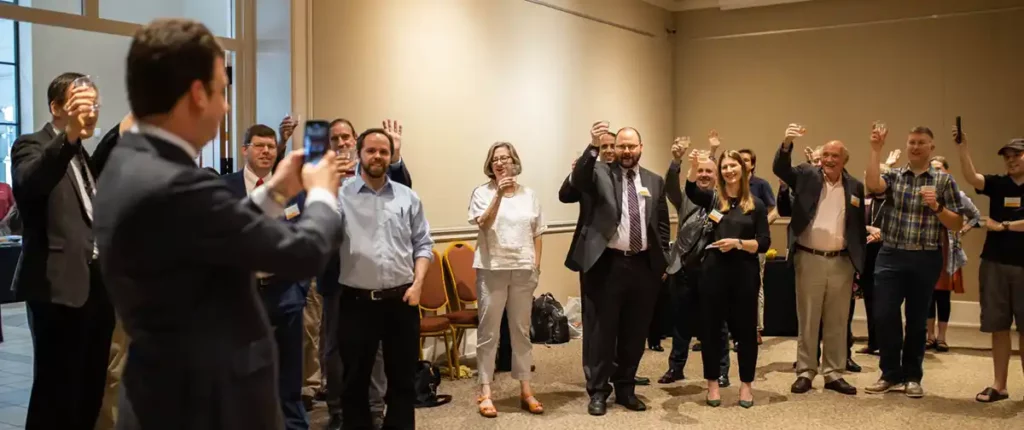
The History Department gathers for a toast upon the completion of the Polk Project
The Department of History gathers to toast the completion of the Polk Project.
On April 12–13 the department celebrated the project’s completion. Ninety scholars, students, and enthusiasts gathered at the East Tennessee Historical Society for James K. Polk and His Time: A Conference Finale to the Polk Project. Speakers and session chairs included our own Thomas Coens, Aaron Crawford, Daniel Feller, Lorraine Dias Herbon, and Laura-Eve Moss. They also included Oxford and UCLA’s Daniel Walker Howe, as well as Penn State’s Amy S. Greenberg, who delivered the keynote address on first lady Sarah Childress Polk. Charles Sellers, author of The Market Revolution and a Polk biography, sent enthusiastic remarks to be read. Cohen is editing a volume of selected conference papers. Broadcast on C-SPAN 3, conference sessions can be viewed at c-span.org.

Volume 14 covers the last year of Polk’s presidency and his brief retirement. One of few presidents who chose to serve only one term, he died of cholera three months after leaving the White House. UT Press will publish the volume in fall 2020. In the meantime, all earlier volumes are available both in print and, thanks to Newfound Press, online. You can find them, plus an early edition of volume 14—with most of the letters but without the annotation—through the Polk Project’s website, polkproject.utk.edu.

Print Version PDF

Expanded Digital Version HTML

Filed Under: Newsletter Issue

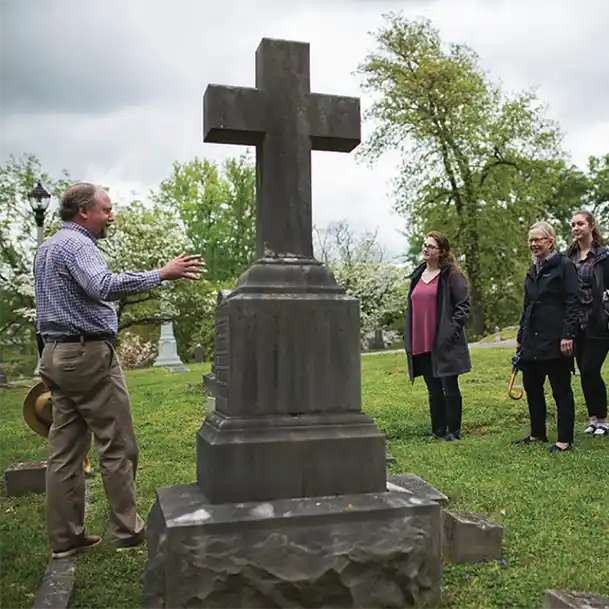
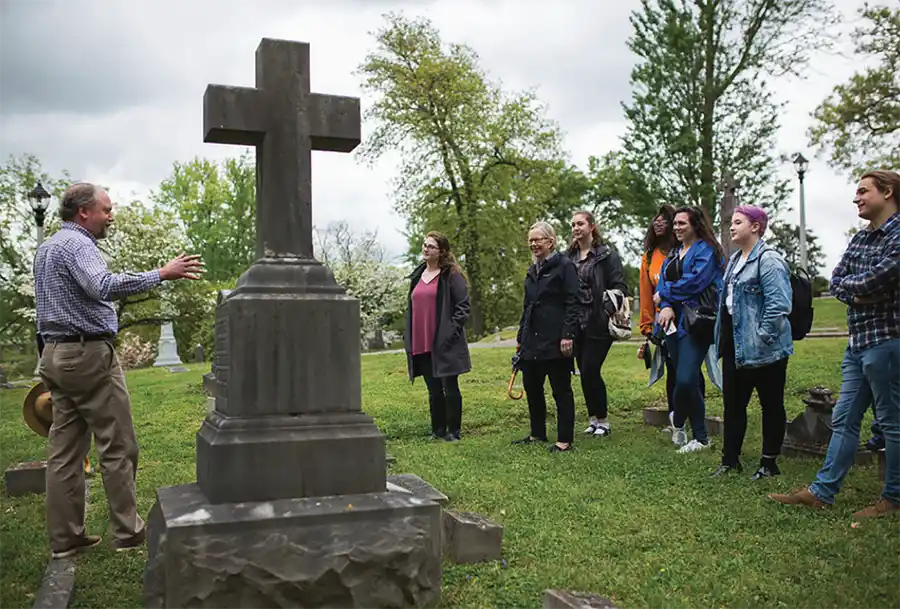
Jack Neely gives a walking tour of the Old Grey Cemetery

Fall 2018 Newsletter

September 9, 2018

Read Complete Newsletter Print Version PDF

Featured Story

Neely Named Distinguished Alumnus

Jack Neely gives a walking tour of the Old Grey Cemetery

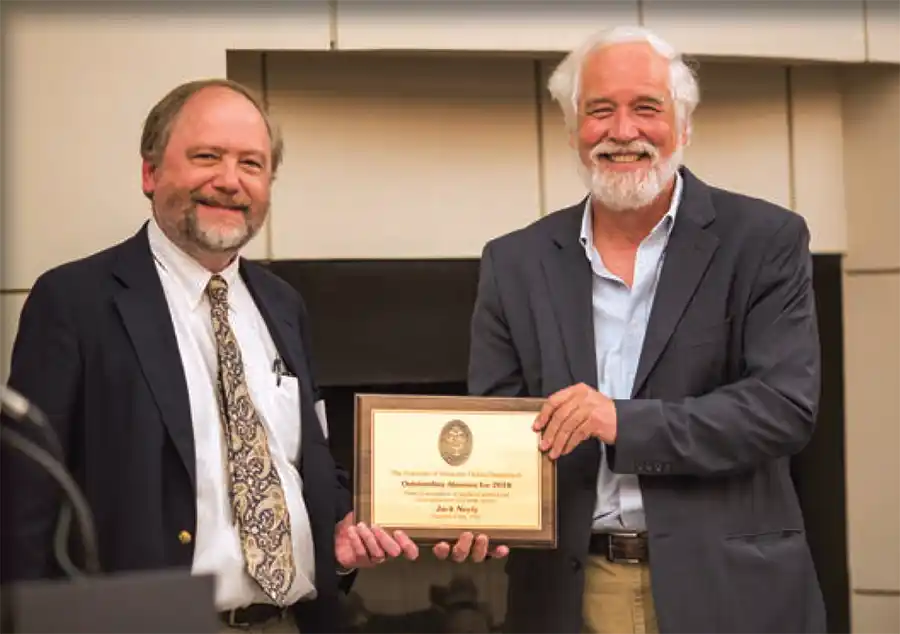
The Department of History is honored to award Jack Neely the fourth annual Distinguished Alumnus Award. Neely (’81) is the executive director of the Knoxville History Project, but his love for history began before he could read. Tales of King Arthur, Robin Hood, and Davy Crockett, combined with his father’s interest in world history, built the foundation for a lifelong passion.

Neely began his college career at UT studying journalism. He spent a few months as an undeclared English major interested in modern poetry until one day he realized, to his surprise, that he had more credits in history than English.

“I think I took every undergraduate class that Bruce Wheeler and Milton Klein taught,” Neely says. “I remember several other faculty I had for one class or so, and no two were at all alike. The worldviews they presented were so different that it was startling to see any of them together. To me, that was part of what made history, which is really a synonym for reality, so interesting.”

Neely credits his history degree for giving him the skills to investigate more or less everything.

Neely accepts the Distinguished Alumnus award from Ernie Freenerg, professor and head of the Department of History
Since graduating, Neely has combined his passion for history with his journalism experience to become one of the most distinguished journalists in Knoxville and its best known historian. For more than two decades, he was a staff writer, columnist, and associate editor of Metro Pulse. He then helped to found the Knoxville Mercury, for which he wrote a weekly history column and features pertaining to Knoxville history. At the same time, he founded the Knoxville History Project, whose mission is to research and promote the history of Knoxville. He has written a number of books on Knoxville history, gives many tours and lectures each year, and mentors UT undergraduates through his role in the department’s course on public history.

Read Complete Newsletter Version PDF

Filed Under: Newsletter Issue

A picture of Bo Saulsbury

Fall 2017 Newsletter

September 9, 2017

Read Complete Newsletter Print Version PDF

Featured Story

Telling Life’s Stories

By Meredith McGroarty

A picture of Bo Saulsbury
Bo Saulsbury (’86)

The ability to cut through the digital flotsam and connect with an audience, whether it is a group of corporate executives or a grandmother in Flatbush, is a skill as prized in the professional world as a head for numbers or a sharp working knowledge of digital branding strategies. Storytelling, the ability to synthesize and present information in a compelling way, however, is a skill that forms the bedrock of the study of history. Three graduates of our history program in three very different fields say this core skill set, honed in college, was the most vital to their career choices and achievements. 

Addressing potentially the widest audience is Bo Saulsbury (’86), senior R&D staff member in the energy and transportation science division at Oak Ridge National Laboratory (ORNL). Saulsbury manages the division’s Fuel Economy Information Project, which aims to provide information to the public about fuel efficiency for various types of vehicles, including those using petroleum, electric, diesel, and other types of energy sources, as well as hybrid vehicles. Studying history helped Saulsbury develop two major skills necessary to his current work. 

“The main thing history contributed is that there was a strong emphasis on critical and independent thinking in history class,” Saulsbury says. “The second thing that was valuable was learning how to communicate information through discussions, presentations, and debate topics where you have to defend your point of view.” 

—Bo Saulsbury (’86)

Saulsbury noted that energy research ties in heavily with climate change, both on a technical level—hybrid vehicles perform differently in different climates—and on a larger, geopolitical one. Here, the specifics of history come into play, with past events serving as cautionary tales. He pointed to the 1970s when the fuel embargo caused wide-scale social disruption and provided a lesson on the dangers of relying on a single source—natural, political, or corporate—for one’s energy supply. 

“Investment in alternative energy forms, reducing greenhouse gas emissions, and fighting climate change are all vitally important,” Saulsbury says. “The only way to bring that about, however, will be through educating the public, conveying facts about energy sources and efficiency, as well as a sense of context about the wider issues we all face.” 

A picture of Claire O’Neill
Claire O’Neill

Claire O’Neill (’08) also noted that her history degree helped her gain a sense of context which, along with the ability to present information in a compelling way, is a necessary skill in her profession – journalism. 

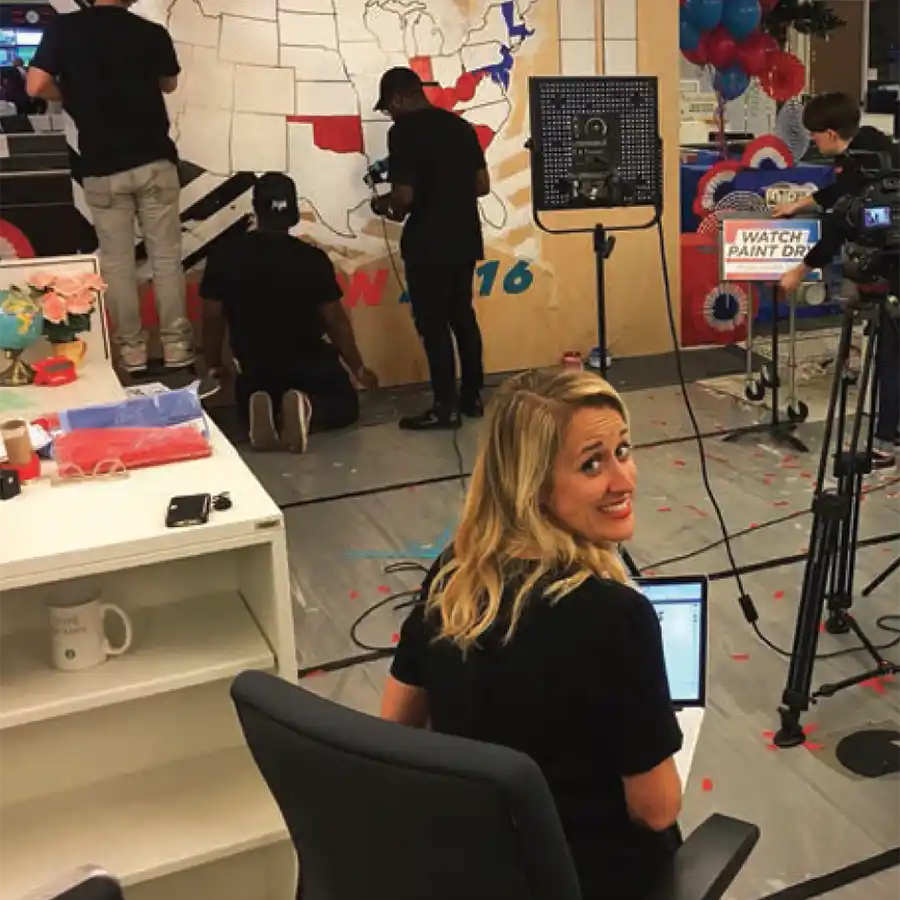
O’Neill recently became creative director of the climate desk at the New York Times, a position created as part of the paper’s drive to expand its coverage of climate change. O’Neill, who had previously been a producer at NPR, said her history degree helped her learn how to draw from different disciplines to research and tell a story. 

“Training in history – research, analysis, writing, and storytelling – means you’re better equipped to understand the complexity of an issue, situate it in historical context, and understand how that will inform what happens next,” O’Neill says. 

Such training was useful for her NPR job where she had to move deftly from one topic to another, from medium to medium, as the situation demanded. 

“One day I might be working with the science desk on a story about pollution; the next, I could be working with the politics team to analyze inauguration speeches; and the day after that, I could be recording a live performance with a musician,” she says. “I love the variety.” 

—Claire O’Neill (’08)
A picture of Blake Renfro
Blake Renfro

Both O’Neill and Saulsbury said studying history helped them convey complex information clearly to a wider audience. Tailoring information to specific audiences, however, is exactly what Blake Renfro (’07) does for a living. 

Currently a program manager for executive development at the University of North Carolina (UNC) Kenan-Flagler Business School, Renfro conducts management consulting and executive-level seminars with a variety of clients, many of whom are corporate executives or members of the military. 

“Making intelligent, well-informed connections between ideas and conveying important information to different audiences are things I do on a daily basis,” Renfro says. “Being able to tell a compelling narrative and tailor a narrative to different audiences is one of the most powerful things you can do. I learned that as an undergrad at UT.” 

—Blake Renfro (’07)

Whether addressing a general audience or a specific one, being able to have confidence in one’s ideas while being open to other perspectives is a valuable skill in the workforce and one that Renfro believes faculty in the UT history department do a good job conveying. Career-wise, being able to demonstrate how one can apply these critical thinking, analytical, and communication skills to a specific job will be key to obtaining employment, he added. 

“There are a lot of employers who’d rather have people with a specialized business or accounting degree, but if you can demonstrate how your skills can be applied, you’ll be better off than other majors,” Renfro says. “Being able to demonstrate that the degree is useful and you do have the skills to do these jobs is key to getting them.” 

The path to a dream job may not be linear; it may branch and loop back, but anyone who has studied history knows there are lessons and pleasures in the detours and side alleys. Applying the knowledge gained through history study often makes visible the hidden connections between topics, fields, and listeners. Life is a story; and history helps you write your own. 

Read Complete Newsletter Version PDF

Filed Under: Newsletter Issue

A picture of Robert “Jeff” Norrell in his office

Fall 2016 Newsletter

September 9, 2016

Read the Complete Print Version PDF

Featured Story

Surprising Observations: Alex Haley’s Career as a Writer

A picture of Robert “Jeff” Norrell in his office
Robert “Jeff” Norrell is the Bernodotte Schmitt Chair of Excellence, and author of Alex Haley and the Books that Changed A Nation. (St. Martin’s Press, 2015)

Without apparent natural talent for writing, Haley worked diligently on his craft for decades and became enormously successful. Roots sold around six million copies and revised how the popular mind in America understood slavery.

In writing a biography of Alex Haley, I learned some surprising things about him and his career as a writer. Haley sold more books in one day in February 1977 than I have sold in my whole career of publishing. Both his two main works, The Autobiography of Malcolm X and Roots, sold in the neighborhood of six million books. Haley became a great celebrity, with all its pleasures and its pitfalls.

Haley had only a little college education before he went into the military in 1939, where he had a two-decade-long apprenticeship as a freelance writer. He was not a natural or even talented prose stylist, but he worked on his craft diligently for decades. He benefited from excellent editing from such magazines as Reader’s Digest, Saturday Evening Post, and Playboy. His agent and his editors at Doubleday guided his writing efforts for years. I was astonished at the sustained and detailed critiques they gave Haley over many long years.

Roots was published in September 1976 and the televised mini-series based on the book was viewed by 130 million people in January 1977. Fame of that magnitude sparked envy and criticism. A British journalist claimed that Haley had fabricated the African background of his ancestor Kunta Kinte, and two American genealogists insisted that he had gotten the Haley family lineage in the United States all wrong. Haley and his publisher made the mistake of promoting the book as nonfiction, rather than calling it a historical novel that
adhered as faithfully as possible to known facts. At the same time, two writers sued Haley claiming that he had plagiarized their books. One of the claims was specious, but the other proved that several passages of Roots were virtually identical to some in a novel called The African. Haley won the first suit and settled the second. Both brought negative publicity that undermined Haley’s heroic status to many Americans who had admired his work.

Still, Roots revised how the popular mind in America understood slavery, changing it from being the romanticized institution depicted in Gone with the Wind to a realistic understanding of its violent, inhumane nature. To me, Roots
remains the most important book on American slavery, and I think it should be recognized as that. For this reason, I wrote a biography of Alex Haley.

—Robert J. (Jeff) Norrell

Read The Complete Print Version PDF

Filed Under: Newsletter Issue

  • « Previous Page
  • 1
  • …
  • 5
  • 6
  • 7

History

College of Arts and Sciences

916 Volunteer Blvd
6th Floor, Stokely Management Center
Knoxville, TN 37996
Phone: 865-974-5421
Email: history@utk.edu


Facebook Icon    X Icon    Instagram Icon    Soundcloud Icon

Department Intranet

The History department has transferred all internal documentation shared by faculty, graduate students, and staff to a Microsoft SharePoint site. Only those with permission may access this area.

The University of Tennessee, Knoxville
Knoxville, Tennessee 37996
865-974-1000

The flagship campus of the University of Tennessee System and partner in the Tennessee Transfer Pathway.

ADA Privacy Safety Title IX