• Request More Info
  • Visit
  • Apply
  • Give
  • Request More Info
  • Visit
  • Apply
  • Give

Search

A-Z Index Map

History

  • About
    • Why Study History?
    • Areas of Study
    • Faculty Publications
    • The Jangle Podcast
    • Alumni Profiles
    • Contact Us
    • Give
  • People
    • Faculty
    • Teaching Faculty
    • Research Faculty
    • Associated Faculty
    • Staff
    • Graduate Students
    • Emeriti
  • Undergraduate
    • Majors / Minors
    • Declare
    • Honors Program
    • Advising
    • Classes
    • Beyond the Classroom
    • Careers
    • Scholarships & Awards
  • Graduate
    • Concentrations
    • MA Program
    • PhD Program
    • Apply
    • Funding
    • Forms
    • Graduate Handbook
  • Community Engagement
    • Local Histories
    • Summer Bridge Program
    • Bridge to AP U.S. History
    • Papers of Andrew Jackson
    • Tennesseans and War
  • News & Events
    • News
    • Events
    • Public Lecture Series
    • Newsletters
  • Share Your News
topography background

News

News

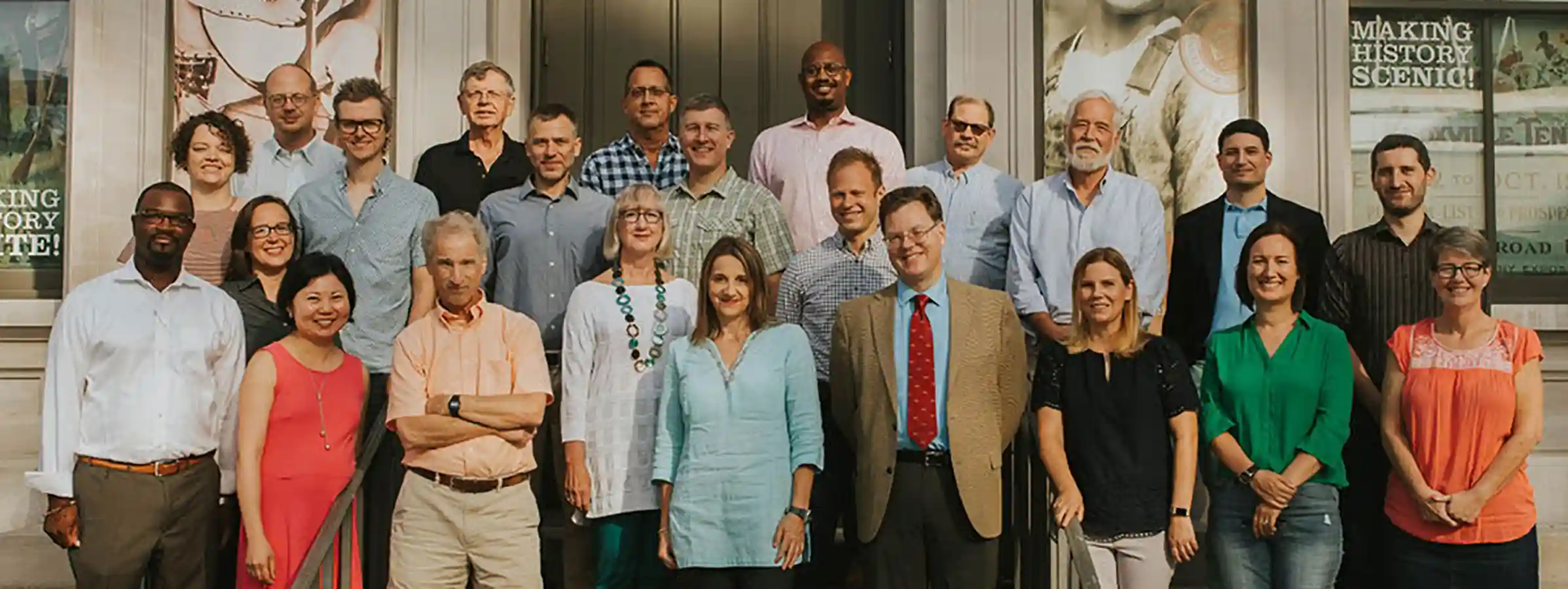
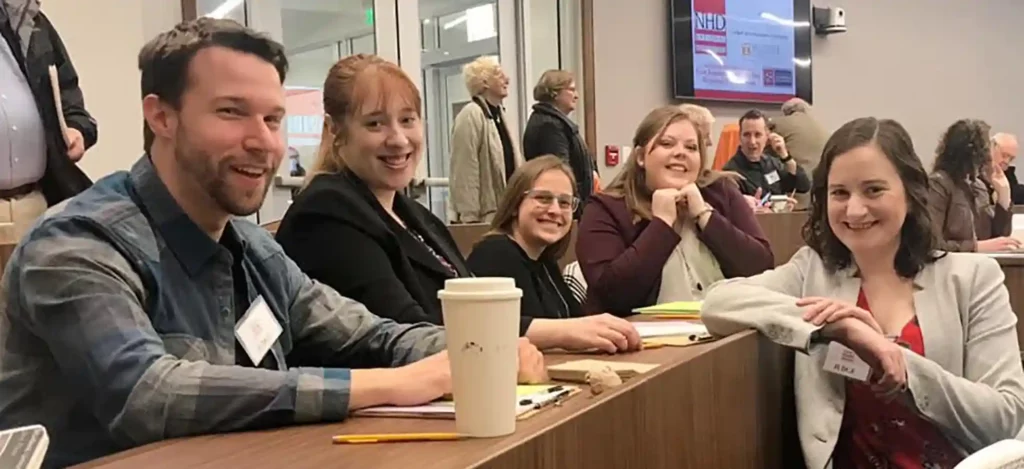
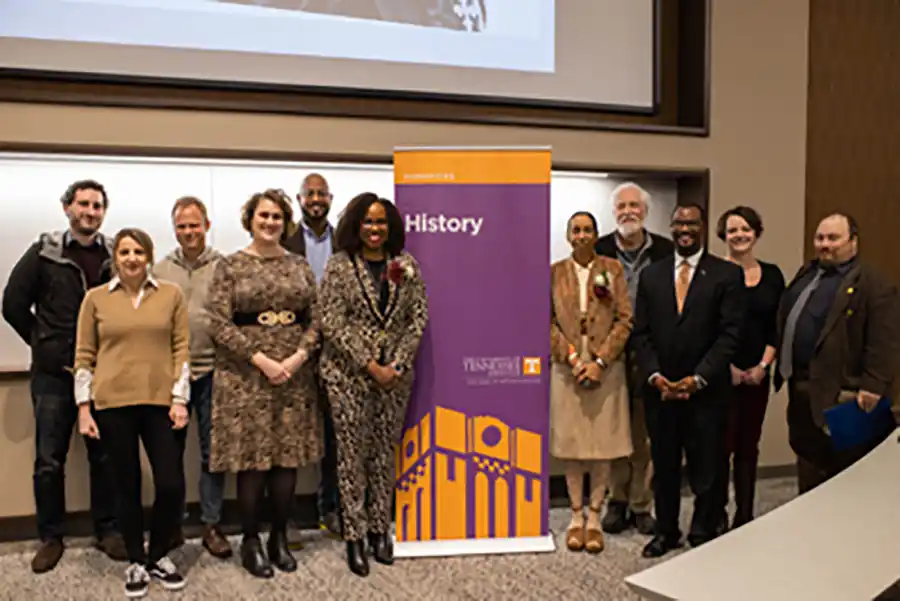
A group of History faculty at the Fleming Morrow Lecture

Celebrating Five Years of the Fleming-Morrow Lecture

June 9, 2020

A group of History faculty at the Fleming Morrow Lecture

Tiffany M. Gill, associate professor at the University of Delaware, delivered the Fifth Annual Fleming-Morrow Distinguished Lecture in African-American History, February 27, 2020. In her presentation, “The World is Ours, Too: Black Women, Global Activism, and the New Black Travel Movement,” Gill explained that the new black travel movement is not new at all, but a continuation of a phenomenon that began in the 1940s and one that has a great deal to teach us about the tensions between political activism, leisure, and global freedom struggles. 

Gill’s presentation was especially exciting as it marked an important milestone for the Fleming-Morrow Lecture, as we celebrated five years of its existence. In February 2015, Professors Shannen Dee Williams (now at Villanova University) and Brandon K. Winford co-founded the Fleming-Morrow Endowment in African-American History through the University of Tennessee Foundation. The endowment honors the distinguished careers of Professors Cynthia Griggs Fleming and John H. Morrow Jr., two pioneering African-American professors in the UT College of Arts and Sciences and Department of History. The endowment provides annual funding for a lecture in African-American history and two student awards in African-American and military history. 

In fall 2017, the Fleming-Morrow Endowment reached the fully endowed level whereby it is now self-supporting and approaching the $50,000 mark. It has become a premiere event with attendance from faculty, staff, and students from the university, as well as from members of the broader Knoxville community. We welcome your continued support moving forward as we seek to grow the Fleming-Morrow Endowment and take it to greater heights.

Click here to support the Fleming-Morrow fund.

Filed Under: News

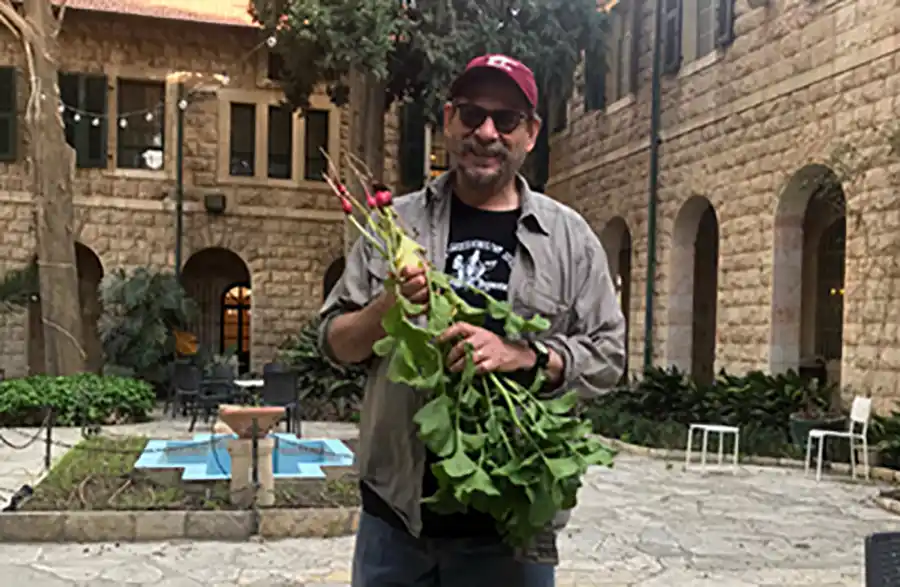
A picture of J.P. Dessel holding a bunch of radishes.

Waiting out the Pandemic

June 9, 2020

A picture of J.P. Dessel holding a bunch of radishes.
J.P. Dessel

Like playing musical chairs, when COVID-19 hit you grabbed the nearest chair and hunkered down. Any chair would do, and in my case, it was the Albright Institute, where I found myself virtually alone, rattling around a 100-year-old stone compound in East Jerusalem during a pandemic. That I found myself at the Albright Institute was not unexpected; I was awarded a fellowship for this spring. It’s the rattling around alone and doing the cooking that was the unexpected. I arrived in mid-January as one of six fellows, along with a full staff, and the usual assortment of Albright denizens who come and go in strange and unknowable orbits. Due to COVID-19, by early March, Agatha Christie style, we were whittled down to two, and I was doing the cooking. There are undoubtedly much less accommodating places to wait out a pandemic, and on that score I consider myself very fortunate.

The W.F. Albright Institute of Archaeological Research, is a hulking relic of a colonial past that shares more of its DNA with the British Raj than the less corporeal American version. Of the 27 American overseas research institutes, the Albright is the second oldest; the building dates to 1925 and is situated in East Jerusalem, the Palestinian side of town, just down the street from Herod’s Gate in the Old City. The building and its contents are a full expression of a kind of languorous miasma best associated with the close of the Ottoman Empire (think the film Pascali’s Island).

Life at the Albright is all about the building, and the omphalos of the building is the courtyard. The compound, constructed in 1925, is comprised of three two-story buildings (including two subterranean repurposed cisterns); a director’s house and lecture hall, a research library and hostel, and a kitchen/dining room/common room (along with a few apartments) that form a U shape around one of Jerusalem’s true hidden gems, an exquisite garden courtyard. The courtyard is a consistently cool and serene preserve that recalibrates pace to an even more languid tempo than the rest of dusty, sleepy Jerusalem.

The Albright is downright monastic, and even in the best of time the world passes it by. As I said, it’s a good place to hunker down. I have access to an excellent research library 24/7, we get food deliveries twice a week, we have a small grove of lemon trees and a rosemary hedgerow, a tenth of a mile circular driveway that makes a good track, and Wi-Fi, of course. Sadly, the place is not haunted, other than by the history of the Middle East.

I’ve been able to get my work done, put on a few pounds, and learned how to mix a decent sidecar (and yes, I feel conjured up by central casting). But all this torpor comes at a price; like everywhere, COVID-19 has cast a deep and unsettling pall on the place. With no fellows or guests, the flow of both funds and intellectual energy have dried up. In such a pensive time, big questions have plenty of room to bubble to the surface. And as president of the Albright, I have a front row seat in trying to make sense of all this all, trying to revision a future of unknown dimensions, trying to figure out just who’s Zooming who in the aftermath of COVID-19.

Most days begin with me and the director discussing the current situation and the necessary steps to ensure the safety of the residents and to keep the place running. By late-February we started cancelling a variety of programs: workshops, field trips, scholarly dinners, and the like. By mid-March, most of the fellows had left or been caught out of the country and were no longer allowed back (Israel shut down pretty quickly and thoroughly, a strategy that seems to have worked as the COVID numbers look very good and the country is now cautiously re-opening). With only two fellows left, we had to make the very difficult decision of furloughing the staff. During the next seven weeks none of the residents left the building, and while this sounds implausible, I can assure you it is not.

Since 1925 the Albright has survived a lot; changes in government, riots, wars (when Israeli soldiers tried to enter the building in June of 1967, Omar Jibreen, the cook (who was still here in 1984 when I was fellow) refused their entrance, telling them it was American property (they sheepishly abided as many of the Israeli high command knew the Albright’s reputation), and now a global pandemic.

I’m pretty sure the Albright will make it through this challenge as well, and I am working hard to ensure that will happen. We plan on reopening in August when a new group of fellows begins to arrive. We are holding our breath that we can do this safely but like every institution, so much is out of our hands. With all that is going on (and not going on), tomorrow, like every other day since mid-January, I plan on working in the library on my book project (rural elites in small scale societies in the Iron Age I – not too dissimilar to the Albright itself), taking breakfast and a few coffee breaks in the courtyard, and then making dinner. Be safe, be cautious…

–Submitted by JP Dessel

Filed Under: News

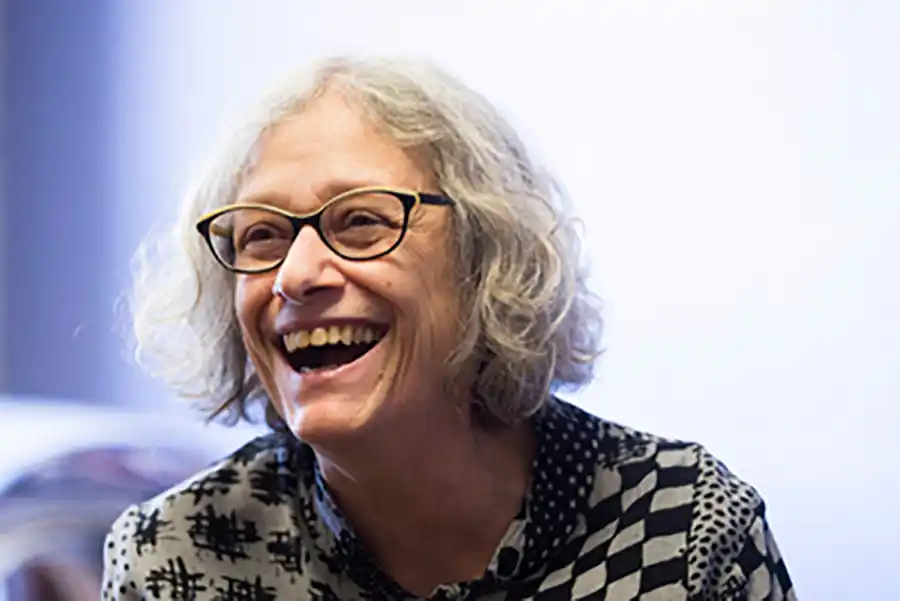
A picture of Lynn Sacco

An Inspired Career Impacting Students

June 9, 2020

A picture of Lynn Sacco
Lynn Sacco

As spring semester closed, Lynn Sacco retired from an inspiring teaching career at UT. Sacco graduated from Marquette University in 1975 where she majored in English and journalism. Following graduation, she traveled in South America before attending law school in her beloved home town of Chicago. After practicing law for 15 years, she headed to graduate school, earning an MA in American Studies from SUNY Buffalo and then a PhD in history at USC in 2001. After a year teaching high school in one of Los Angeles’s poorest communities, Sacco arrived at UT in 2004.

She quickly became one of the department’s most popular teachers, offering richly conceived courses on topics ranging from American film to the history of rape, gay America, and a now-renowned course on Dolly Parton. A passionate mentor to her students, she has always encouraged them to engage with issues relevant to their own lives, including sexuality, race, and social movements. While these can be politically divisive, Sacco finds that students are more comfortable exploring these complex topics within the context of the past. By learning to empathize with people in history, and taking the time to understand why they arrived at the choices they made, students are better equipped to evaluate their own world view. As Sacco encourages her students, “believe what you want, but have a good reason for it.”

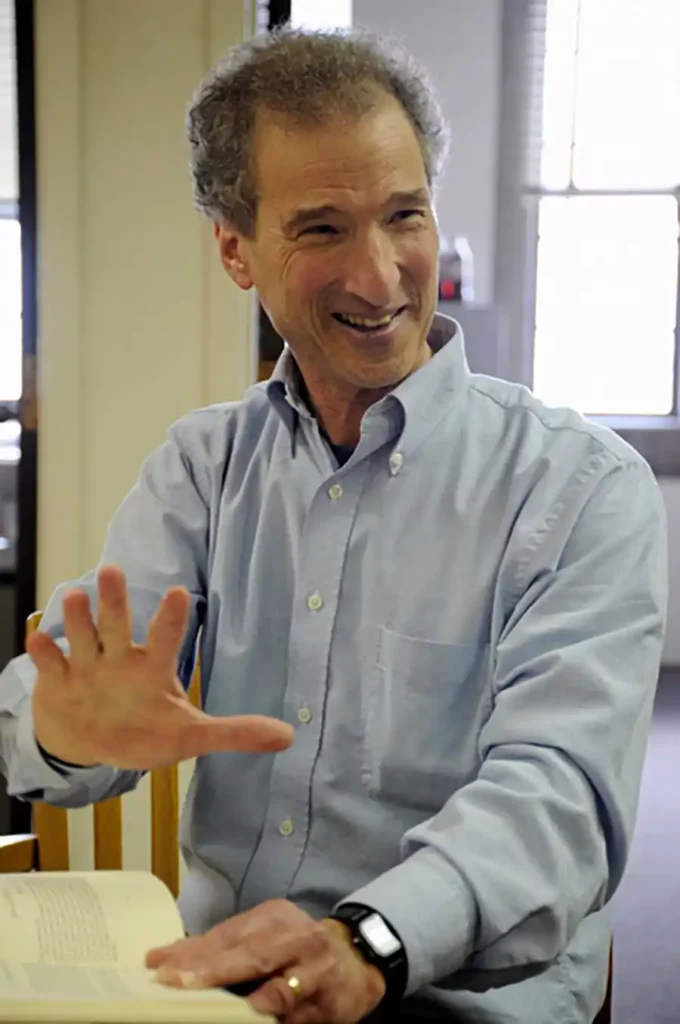
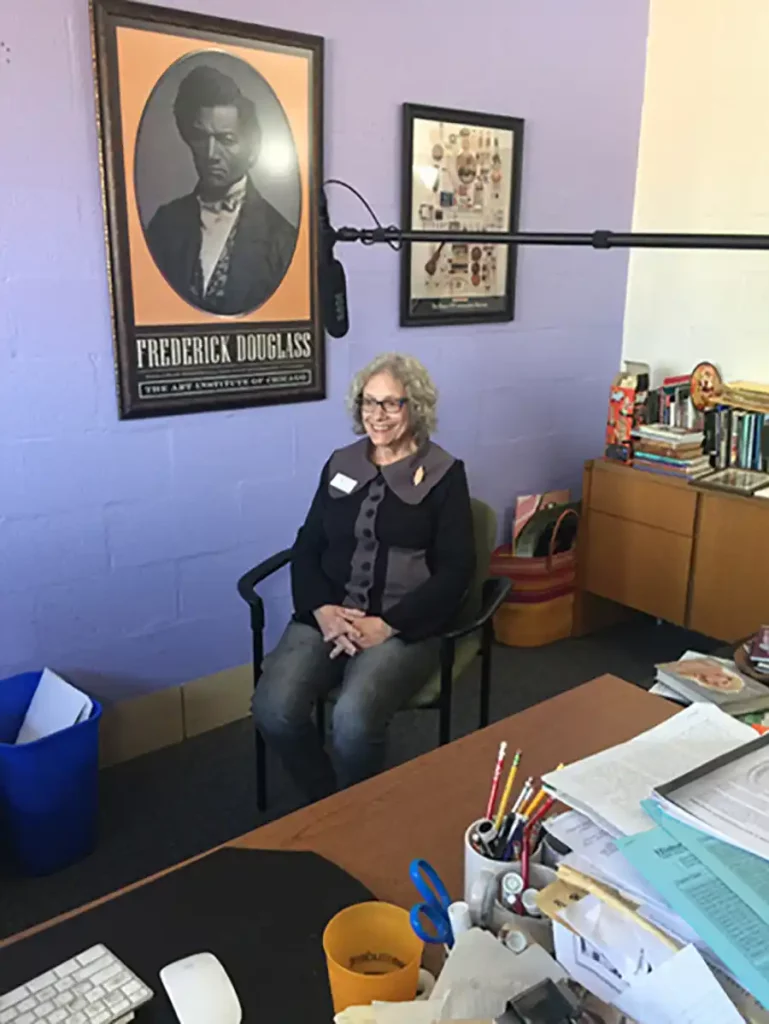
A picture of Lynn Sacco being interviewed

Her work with UT undergraduates has been recognized with numerous honors and accolades including the department’s David V. and Kathryn G. White Undergraduate Teaching Award, the Chancellor’s Award for Excellence in Teaching, and this spring, the Alumni Outstanding Teacher Award. 

Outside of the classroom, Sacco has been an important mentor to large numbers of students through the years. She makes an effort to get to know all of her students, learning about their backgrounds and their personal struggles, as well as their academic interests and career aspirations. Her talents as a mentor are obvious to everyone in Dunford Hall who has had to step over the legs of the many students who camp outside her office door, waiting for their turn to get her advice and encouragement. Her sharp understanding of who her students are outside of the classroom has shaped her impressive service record on campus, including, for example, the work she has done with the Pride Center and as faculty advisor for Sex Week. 

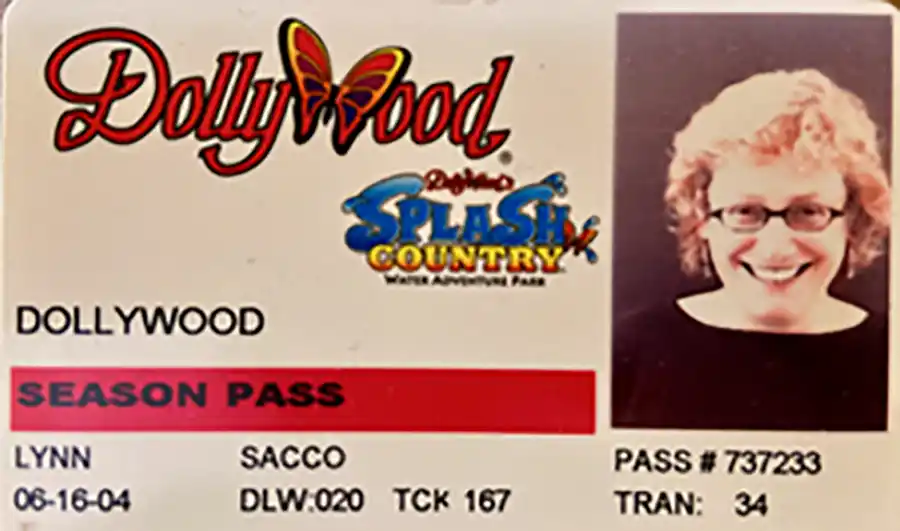
Of all the classes Sacco has taught at UT, one has drawn particular attention and acclaim, on campus and around the world. Dolly’s America: From Sevierville to the World explores “how a ‘hillbilly’ girl from Appalachia grew up to become an international one-word sensation.” Sacco designed this class, a small seminar for honors students, to both explore an engaging topic and prepare students to research and write an extensive senior thesis. Beginning in 2017 the course attracted enormous attention outside the university, including in such news outlets as the BBC and the New York Times.

As the reporter for the Times discovered, Sacco’s course used Dolly Parton’s career to explore much bigger topics – the economic history of Appalachia, the history of media-constructed gender norms, the history of tourism, and much more. In this course, Dolly Parton became a doorway to understanding so much about the regional and national history that has shaped the experience of our students today. For many students from this region, understanding Dolly helped them better understand themselves.

A picture of Lynn Sacco's 2004 Dollywood season pass

The impact of that course on Sacco’s students was made vividly clear when it inspired a national podcast series, Dolly Parton’s America. One episode centered on Sacco’s class and her students. The program elicited an emotional response from listeners when students talked about intentionally losing their Appalachian accents in order to be taken more seriously in the world. Polly Ann Taylor (’18), from the small town of Clintwood in far southwestern Virginia, was one of those students. After the episode was released, she spent time reading through messages on Twitter from people who have gone through the same experience. 

“The overwhelming amount of support and connection honestly made my day every time I read them,” Taylor said. “Some of them also broke my heart when I saw how the story resonated with them, how it’s also their experience, too. But it made me so glad that we were able to share our discussion the way that we did.”

As she prepares to retire from the University of Tennessee, Sacco has many plans for the future, including continuing with her current research project. Sacco’s first book, Unspeakable: Father-Daughter Incest in American History, was published by Johns Hopkins University Press in 2009. The quality of her research, and its importance to her field, was recognized by UT’s Thomas Jefferson Prize the following year. Sacco’s current research draws on her interests in the history of popular culture and cinema, examining how ideas of sexuality, gender, and pleasure develop over time.

Filed Under: News

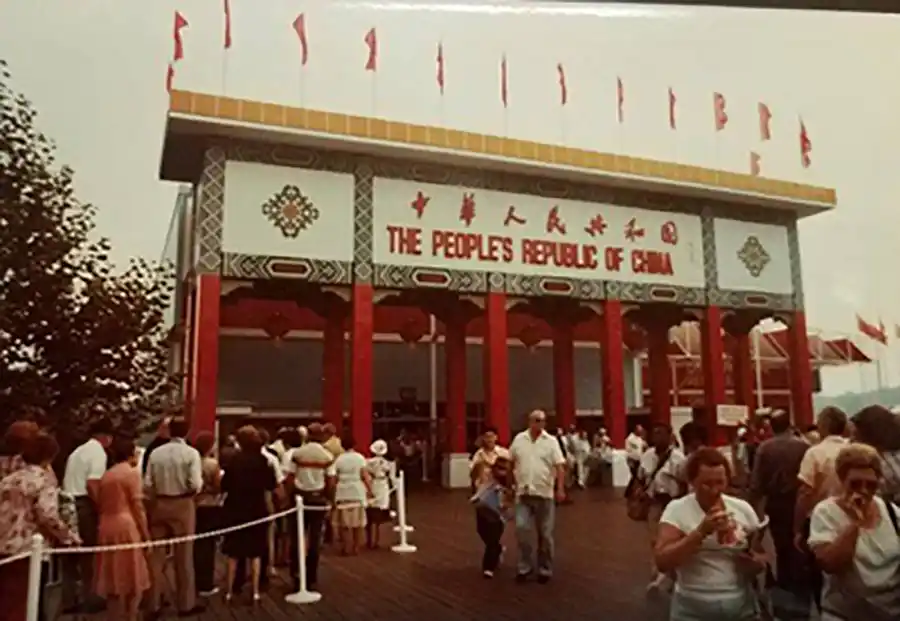
The People’s Republic of China participated in the 1982 World’s Fair held in Knoxville.

China at the Knoxville World’s Fair

November 4, 2019

The People’s Republic of China participated in the 1982 World’s Fair held in Knoxville.

The 1982 World’s Fair left a lasting impression on the Knoxville community. In fall 2018, the history department sponsored an event to commemorate the participation of the People’s Republic of China at this World’s Fair. Organized by Associate Professor Shellen Wu and hosted by the East Tennessee History Society, this event was well attended by members of the UT community and the general public. The audience learned the interesting history behind what became the most popular attraction at the fair. Invited speakers added a personal dimension to this history by reflecting on their participation and sharing their memories. 

According to Wu, China was the most popular attraction at the fair and played no small part in putting the fair in the black, even turning a profit of $57. From May 1 to October 31, 1982, 11.4 million visitors came to the fair, most of whom waited in long lines to enter the China Pavilion. Many visitors were intensely curious about China, closed for decades to foreigners. The exhibit featured a piece of the Great Wall (19 bricks to be precise), as well as a number of the recently excavated terra cotta warriors from Qin emperor’s tombs in Xi’an. Chinese artists and artisans worked in the pavilion and produced handcrafted items that were sold to visitors.

As the audience learned, the decision to bring China to Knoxville was due to the efforts of Bo Roberts, at the time president and CEO of the World’s Fair (the organization that oversaw the effort was the Knoxville International Energy Exposition Incorporated, or KIEE). Roberts talked about how he came to focus on bringing China to the World’s Fair once the Soviet Union pulled out. The Soviet Union had already begun construction on what was to be the largest pavilion and an anchor for the World’s Fair when they invaded Afghanistan in 1979. President Carter’s strong response led to the Soviet retaliation and withdrawal from the Fair. Along with the Soviet Union, a number of other Eastern European countries also pulled out. With the loss of the anchor pavilion, it became essential for the success of the Fair to attract Chinese participation.

Roberts, along with other colleagues, made multiple trips to China and met with officials to convince them to sign on. At the time, China had no experience with the World’s Fair. One of the audience members who worked for the Fair accompanied a Chinese delegation to visit previous sites at Seattle and San Francisco. KIEE contacted politicians, including Senator Baker and former President Carter, who each wrote letters to the Chinese ambassador and top Chinese leaders to press the case. KIEE also put up $1 million to help with costs for the Chinese pavilion. Or as Roberts put it, “the best money we ever spent.”

During the event, attendees also had the opportunity to hear from local members of the Knoxville community who likewise shared their memories of this historic event. For instance, Knoxville History Project Director Jack Neely had worked at the Fair as a part of the security detail. He talked about his experience at the Fair, corralling the crowd and having to inform an extremely disappointed crowd that because of some building issues, the China Pavilion had to be closed for a day. Jack Neely read a short selection from the work of a Chinese journalist who spent two years in the US in the early 1980s and spent some time in Knoxville at the Fair. The journalist, Liu Zongren, subsequently published a memoir of his time in the US, Two Years in the Melting Pot. Liu wrote that “The Chinese Pavilion was the best part of the whole fair; many visitors had to wait outside the gate for two hours to get in….For all the Chinese staff, except the delegation head, it was their first time abroad.”

Filed Under: News

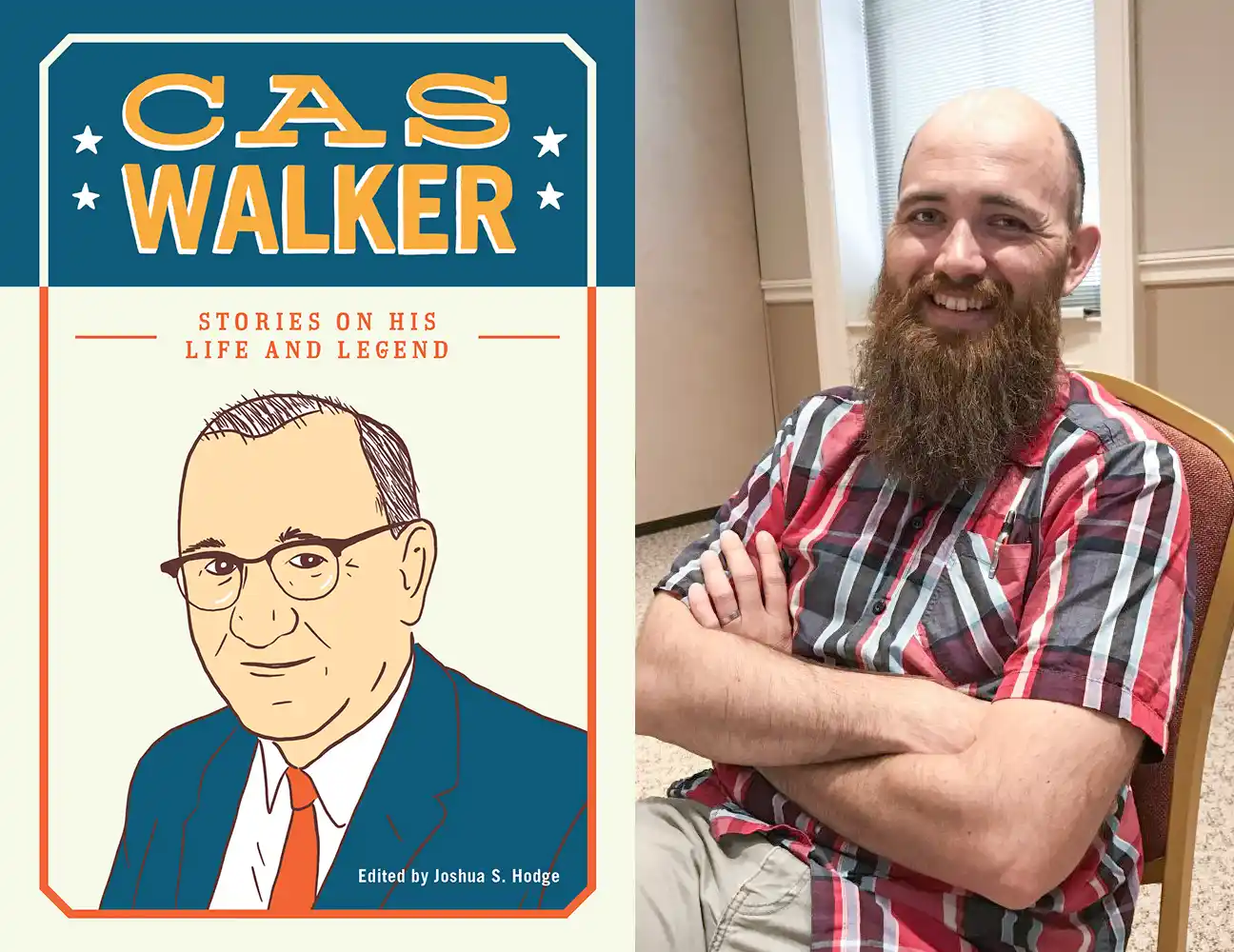
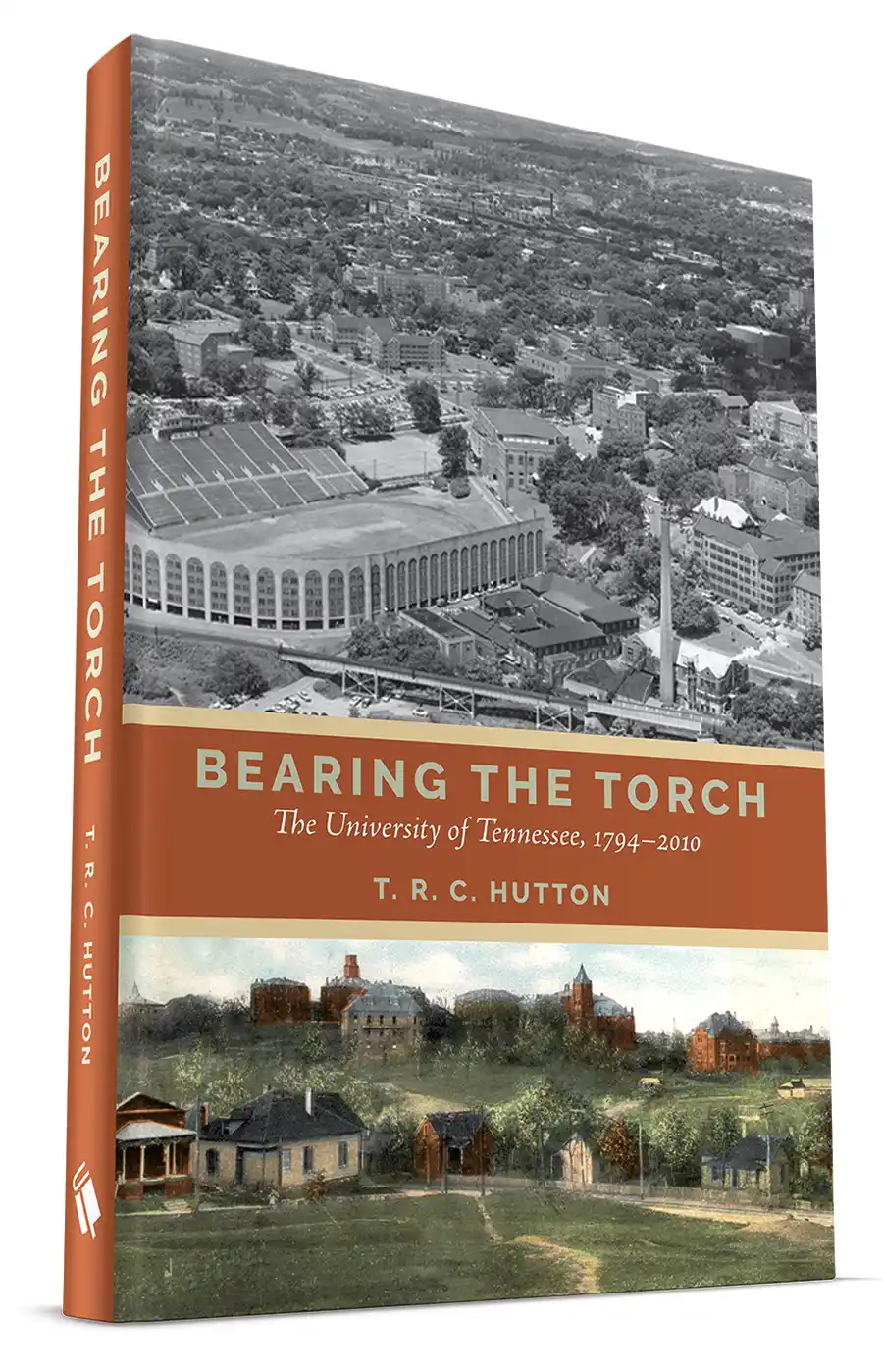
A photo of the cover of the book Cas Walker: Stories on his Life and Legend, Edited by Joshua S. Hodge

Sharing the Stories of Cas Walker

November 4, 2019

A photo of the cover of the book Cas Walker: Stories on his Life and Legend, Edited by Joshua S. Hodge

In 1924, Cas Walker arrived in Knoxville. He is one of 20th-century Knoxville’s most famous citizens and his colorful life became some of the city’s favorite urban legends, which are captured in a new book, Cas Walker: Stories on his Life and Legend, edited by Joshua Hodge, a graduate student in the UT Department of History who lost his two-year battle with brain cancer May 2019.

“I can’t think of another city I’ve lived in that has a person like Cas in its collective memory,” said Ernie Freeberg, professor and head of the history department. “Those stories, many shared in endless variation, serve as a window on Knoxville in the 20th century. He was so ubiquitous in Knoxville from the 30s through the 80s, and many who lived here feel an obvious nostalgia about his place in their lives. Others remember him as a barrier to the city’s progress, and a master of a form of politics that Knoxville is better off without.”

Members of the UT community gathered in Hodges Library November 5 to view rare film footage from Cas Walker’s television programs. Louisa Trott, assistant professor in the UT libraries and co-founder of Tennessee Archive of Moving Image and Sound (TAMIS), helped discover and restore the collection of clips for the public. The event also paid tribute to Hodge’s memory and legacy.

A picture of Joshua S. Hodge
Joshua S. Hodge, editor of Cas Walker

During his time at UT, Hodge focused his research on revealing the history of people whose lived experiences are often hard to recover. He recognized that the historical record favored those who were able to write it – not necessarily those who live it. His work eventually led him to gathering stories of Cas Walker and recording the oral histories of those who knew the man behind the legend.

“Josh did a masterful job on this project, tracking down 20 people who knew Walker well, and gathering stories that reflect many different angles on the man’s long career in Knoxville,” Freeberg said. “Cas is beloved by many, while others remember him as a negative force in the city’s development. Josh captured that complexity, and gathered the legends that reflect Walker’s role as a grocery tycoon, a coon hunter, a populist politician and editor, and as a music promoter.”

In addition to the collection of Cas Walker stories, Hodge’s memory will live on in an endowment established in his honor. The Joshua S. Hodge Award will recognize the task graduate students in the UT Department of History undertake when they decide to research and recover lost voices. Hodge’s research highlighted his commitment to ensuring that everyone’s voice is heard.

Established by Freeberg and Max Matherne, a fellow doctoral student, the endowment preserves the memory of a young, committed UT scholar who, despite the fact that his life was cut short, was dedicated to research and history while helping future scholars reach their dreams.

“When Josh learned in July 2017 about his terminal diagnosis, he did not simply retire and give up on his work,” Matherne said. “He not only continued working on his dissertation, but remained active in the historical field. He continued to submit articles for review, organize conference panels, and participate in the dissertation writing workshop, all the while working on his dissertation and the Cas Walker project.”

Recipients of the Joshua S. Hodge Award will be announced annually during the Department of History awards ceremony. Click here to make a contribution to this endowment.

The Cas Walker Stories Project gathers the tales and legends told about one of 20th century Knoxville’s most famous citizens. The project has recorded oral histories with many who knew Cas Walker, as friends, employees, and political rivals or allies, and collected others from the public.

Many of these are gathered in Cas Walker: Stories on his Life and Legend, published by UT Press. This book was edited by Joshua Hodge, a PhD student in the History Department who passed away while the book was in its final stages of completion. An endowment fund is being raised in his name, which will be used to support graduate research.

Learn More

Filed Under: News

Faculty and students at the first Department of History tailgate

Historic Tailgate

September 9, 2019

Faculty and students at the first Department of History tailgate

During homecoming weekend last November, members of the history department made history when we hosted the first ever department tailgate, under a tent on the Hill. A cloudy and slightly chilly morning quickly warmed to perfect fall homecoming weather. From noon to the start of the game, alumni, current students, and faculty mingled while decked out in orange gear. Dean Lee and Provost Manderschied both stopped by. Faculty and graduate students’ kids took over the lawn. Several hundred hot dogs were eaten. Gallons of apple cider were drunk. History department goodies were handed out. A good time was had by all.

And we did it again. This time, we convened in front of the stately walls of old Dunford Hall, several hours before game time Saturday, November 2. We enjoyed snacks, games, and our guests tried their hand at UT history trivia.

Filed Under: News

Headshot of Robert Bland in the Student Union on August 05, 2019. Photo by Steven Bridges/University of Tennessee

Welcoming New Faculty

September 9, 2019

Robert Bland

Headshot of Robert Bland in the Student Union on August 05, 2019. Photo by Steven Bridges/University of Tennessee

Robert Bland joins the UT Department of History as an assistant professor after having been a faculty member in history at St. John’s University in Queens. His research explores late nineteenth and early twentieth century African American life and culture. In particular, his work investigates the legacy of the Fifteenth Amendment, the racial politics of disaster relief, and the intellectual history of the Gullah-Geechee.

His upcoming book project, ‘Requiem for Reconstruction’: The South Carolina Lowcountry and the Afterlife of Radical Republicanism, follows a group of politicians, writers, educators, and intellectuals, both academic and vernacular, who sought to use the history of Reconstruction to defend black suffrage, make claims for disaster relief, establish schools, and, ultimately, contest anti-black academic narratives about black progress in the postbellum South.

Bland earned his PhD from the University of Maryland in 2017. When not in the archives, he enjoys playing pick-up basketball, travelling inordinately long distances to hear rappers from the nineties, and trying street food in different cities. 

Susan Lawrence

Picture of Susan Lawrence
Susan Lawrence

Susan Lawrence joined the department last year as a full professor. She comes to us from The Ohio State University. She received her PhD in the history of medicine from the University of Toronto, Canada, after majoring in mathematics at Pomona College. She made the move with her husband, David Manderscheid, the new Provost at UT.

Her research interests have ranged broadly in the history of British and American medicine. Lawrence’s first book, Charitable Knowledge: Hospital Pupils and Practitioners in Eighteenth Century London, explored the emergence of the modern medical profession in and around London’s general hospitals, as private medical lecturing and hospital ward-walking exploded in a city without an established university. After that, she worked on the history of medicine in Iowa from 1850 to 1950, Civil War medicine in Washington, DC, and the effect of privacy laws on the study of recent history. That project culminated in her book, Privacy and the Past: Research, Laws, Archives, Ethics.

Lawrence is researching and writing a book with Susan Lederer of the University of Wisconsin-Madison. Lawrence continues her fascination with the history of anatomical dissection in medical education with the history of the rise of whole-body donation in the United States. Why did some Americans—as early as the 1870s—want to give their bodies to science and education when for hundreds of years dissection had been associated with post-mortem punishment, poverty, and horror? By the 1970s, most bodies used in teaching have been donated, in remarkable acts of corporeal philanthropy.

When not teaching, researching, and writing, Lawrence loves to read mysteries, sew her own clothes, and play with their two Abyssinian cats.

Picture of Victor Petrov
Victor Petrov

Victor Petrov

Victor Petrov joins the department as an assistant professor of East European history. He received his PhD from Columbia University in 2017 and spent the year before Knoxville as a Max Weber Fellow at EUI in Florence, Italy (so he is still looking for recommendations on good local wines). His research explores the histories of the Cold War, the modern Balkans, technology and its intersection with politics, especially as it pertains to the dreaming up and failures of utopias.

His current book project, Cyberia: Bulgarian Computers & The World 1967-1989,explores the socialist world’s biggest computer industry and weaves together the stories of communists, engineers, spies, philosophers, science fiction writers, and anyone else that catches his eye. To do so, he uses both written and oral sources from three countries (Bulgaria, Russia, and India). This has sometimes involved, inadvertently, going to the archives in an Indian Army jeep, or rooting around in half-abandoned buildings, which is of course the best part of any research.

When not pursuing esoteric research, he likes playing music – badly, but with gusto – spending time in mountains, reading bad science fiction (he has, thankfully, abandoned any dreams of writing it), and finding the time to explore new places.

Filed Under: News

A picture of Ernie Freeberg

Educating Citizens of Our State

March 9, 2019

A picture of Ernie Freeberg

I am pleased to send you this fall semester update on the UT history department. We welcome three exciting new colleagues, celebrate books published, and announce another impressive slate of fellowships and awards for our outstanding faculty and graduate students.

We also mark a major milestone for the department, completion of the papers of James K. Polk, an editorial project that is completing its final volume, a major contribution to our understanding of American history that has been six decades in the making.

Our thanks to those alumni and friends who have continued their generous support for the department. Your donations help a dynamic and accomplished faculty in its mission to produce ground-breaking research, to train a new generation of professional historians, and to extend the benefits of an excellent liberal arts education to more citizens of the state.

—Ernie Freeberg, Professor and Head, Department of History

Filed Under: News

  • « Previous Page
  • 1
  • …
  • 3
  • 4
  • 5

Recent Posts

  • Christopher Magra in ‘The Conversation:’ How a 22-year-old George Washington learned how to lead, from a series of mistakes in the Pennsylvania wilderness
  • Robert Bland in ‘The Conversation:’ The Supreme Court may soon diminish Black political power, undoing generations of gains
  • Scholar Spotlight: Natalia Doan
  • In Memoriam: Kim Harrison, 1963-2025
  • Fall 2025 Newsletter

Recent Comments

No comments to show.

History

College of Arts and Sciences

916 Volunteer Blvd
6th Floor, Stokely Management Center
Knoxville, TN 37996
Phone: 865-974-5421
Email: history@utk.edu


Facebook Icon    X Icon    Instagram Icon    Soundcloud Icon

Department Intranet

The History department has transferred all internal documentation shared by faculty, graduate students, and staff to a Microsoft SharePoint site. Only those with permission may access this area.

The University of Tennessee, Knoxville
Knoxville, Tennessee 37996
865-974-1000

The flagship campus of the University of Tennessee System and partner in the Tennessee Transfer Pathway.

ADA Privacy Safety Title IX